Affiliate disclosure: As an Amazon Associate, AgmatineHub earns from qualifying purchases. This helps support our research and content creation, and it does not affect what we recommend. Full disclosure.
Agmatine is a small molecule your body produces naturally from the amino acid L-arginine, through an enzyme called arginine decarboxylase. Though it was identified in mammalian tissue only in the 1990s – specifically, it was re-discovered mid-decade as an endogenous ligand at imidazoline and alpha-2 adrenergic receptors[1] – research since then has mapped out several distinct receptor systems it interacts with—making it unusual among endogenous compounds for the breadth of its proposed biological activity.
Understanding how agmatine works means looking at three overlapping mechanisms: its ability to block NMDA-type glutamate receptors, its activation of imidazoline receptors, and its selective modulation of different nitric oxide synthase enzymes. Each pathway points toward different potential effects, from pain signaling and mood to vascular tone—though it is important to note that much of this research remains in early or preclinical stages, and agmatine is not approved by the FDA to treat any condition.
Key Takeaways
- Agmatine is synthesized from L-arginine and interacts with at least three distinct receptor or enzyme systems: NMDA receptors, imidazoline receptors (I1 and I2), and nitric oxide synthase isoforms.
- Its NMDA receptor antagonism is proposed to underlie potential pain-modulating and neuroprotective effects, while imidazoline receptor activation may influence blood pressure and indirectly affect monoamine neurotransmitter levels.
- Agmatine differentially inhibits nNOS and iNOS more than eNOS—a nuance that distinguishes it from broad NOS inhibitors and preserves some vasodilatory nitric oxide production.
- Most mechanistic evidence comes from cell studies and animal models; large-scale controlled human trials are limited, meaning proposed benefits remain investigational.
- People taking blood pressure medications, MAOIs, or opioids should consult a physician before using agmatine, and it is not FDA-approved to diagnose, treat, cure, or prevent any disease.
What Is Agmatine and Where Does It Come From?
Agmatine (chemical name: 4-aminobutylguanidine) is classified as a biogenic amine—a category that also includes histamine, serotonin, and dopamine. It is synthesized from L-arginine when the enzyme arginine decarboxylase removes a carboxyl group from arginine’s backbone. In the body, agmatine is found in the brain, spinal cord, adrenal glands, and gut, suggesting it plays signaling roles in multiple organ systems.
In supplement form, agmatine is typically sold as agmatine sulfate, a stabilized salt. Supplemental doses studied in human contexts generally range from 500 mg to 2,670 mg per day, though most common commercial products land in the 500–1,500 mg range. The compound is water-soluble and crosses the blood-brain barrier, which is central to its proposed neurological effects.

NMDA Receptor Inhibition: Agmatine as a Glutamate Modulator
One of agmatine’s most studied mechanisms is its antagonism—or blocking action—at N-methyl-D-aspartate (NMDA) receptors. NMDA receptors are a subtype of glutamate receptor that play a central role in synaptic plasticity, learning, and pain signaling. They are also implicated in excitotoxicity, a process in which excessive glutamate activity damages or destroys neurons.
Agmatine acts as an open-channel blocker at NMDA receptors, meaning it enters the ion channel and prevents the flow of calcium ions when the receptor is activated. This is similar in principle to how the drug memantine works in Alzheimer’s disease, though agmatine is not a drug and its clinical potency in humans is not established. By dampening NMDA activity, agmatine may help regulate runaway excitatory signaling—a theoretical basis for proposed neuroprotective and pain-modulating properties.
It is worth noting that some NMDA receptor activity is necessary for normal cognition and memory. The goal of partial or context-sensitive inhibition—rather than complete blockade—is considered pharmacologically preferable, and early research suggests agmatine may operate in a voltage-dependent manner that limits its effect during normal, low-frequency activity while attenuating excessive stimulation. The picture is more complicated than a simple subunit block: in mouse spinal cord, agmatine still damped NMDA-evoked calcium responses when the GluN2B subunit was knocked down, but lost much of its effect when the link between the NMDA receptor and neuronal nitric oxide synthase was disrupted – suggesting agmatine acts through that downstream coupling rather than on the receptor alone.[2]

Imidazoline Receptor Activation: A Distinct Signaling Pathway
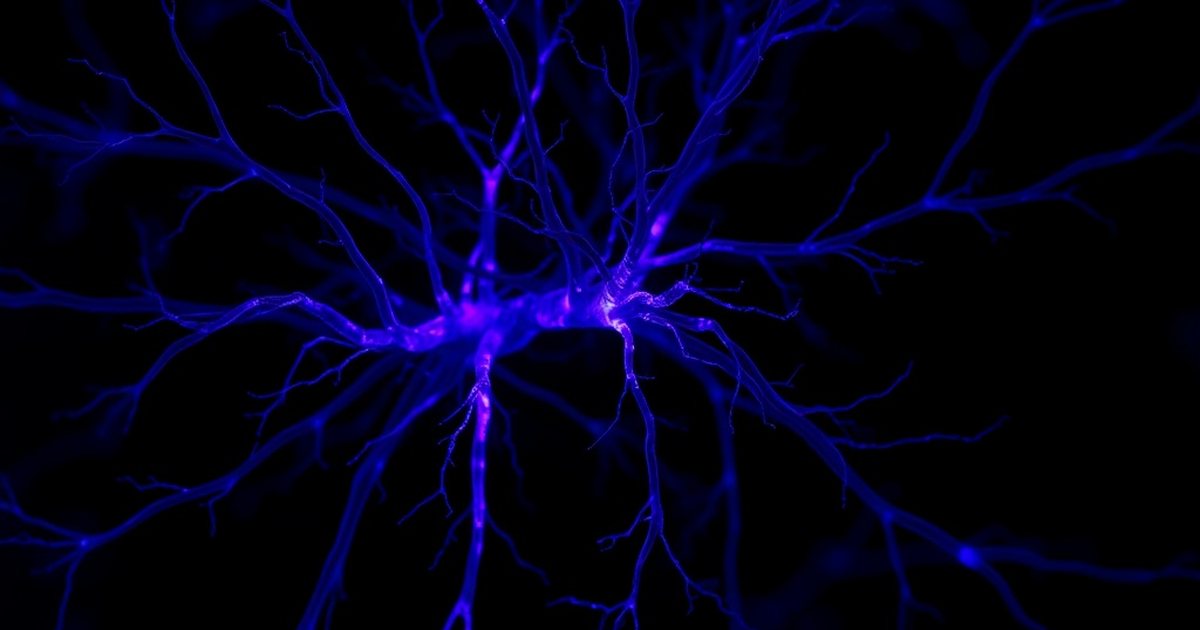
Separate from its NMDA effects, agmatine binds to imidazoline receptors—a class of receptor that gained scientific attention partly because it mediates the blood-pressure-lowering effects of drugs like clonidine. There are at least two main subtypes: I1 receptors, which are found in the brain’s rostral ventrolateral medulla and are involved in blood pressure regulation, and I2 receptors, which are located on outer mitochondrial membranes and monoamine oxidase (MAO) enzymes.
Activation of I1 imidazoline receptors by agmatine may contribute to modest reductions in sympathetic nervous system outflow, which influences cardiovascular tone. In isolated rat artery preparations, agmatine suppressed peripheral sympathetic tone by inhibiting N-type calcium channels and reducing noradrenaline release from nerve terminals – a concrete cellular route for that effect, though it has not been demonstrated in humans.[3] Activation of I2 receptors is of interest because these receptors sit adjacent to MAO—the enzyme that breaks down monoamine neurotransmitters like serotonin, dopamine, and norepinephrine. Some researchers have proposed that I2 agonism could indirectly influence mood-related neurotransmitter levels, though direct evidence in humans is limited.
Imidazoline receptor pharmacology is still an evolving field. The full downstream consequences of agmatine’s binding at these receptors—especially in living human subjects over time—are not yet well characterized. Claims based on imidazoline receptor activity should be understood as mechanistically plausible hypotheses rather than confirmed outcomes.
Nitric Oxide Synthase Modulation: Why 'Which NOS' Matters
Nitric oxide (NO) is a gaseous signaling molecule involved in vasodilation, immune response, and neurotransmission. It is produced by a family of enzymes called nitric oxide synthases (NOS), and critically, there are three distinct isoforms: neuronal NOS (nNOS), endothelial NOS (eNOS), and inducible NOS (iNOS). These isoforms have different locations, triggers, and effects—meaning that broadly ‘increasing’ or ‘decreasing’ NO is a significant oversimplification.
Agmatine is proposed to differentially regulate these isoforms rather than uniformly block or activate NOS. Research in cell and animal models suggests it inhibits nNOS and iNOS more potently than eNOS. This distinction matters practically: eNOS activity in blood vessel walls produces NO that relaxes smooth muscle and supports healthy circulation. Inhibiting iNOS, which is upregulated during inflammation and can produce large, potentially damaging bursts of NO, may have protective implications. Inhibiting nNOS in excess could affect neural signaling, but the context-dependent and partial nature of agmatine’s NOS effects is thought to be less disruptive than complete blockade.
This selective NOS modulation is one reason agmatine is sometimes described as a ‘pleiotropic’ neuromodulator—it can have different effects depending on which tissue, receptor, or enzyme isoform is most active at a given moment. However, this complexity also makes predicting its net effects in any individual difficult without more robust clinical data.
Proposed Roles in Pain and Neuroprotection
The convergence of NMDA antagonism and NOS inhibition gives agmatine a plausible theoretical basis for pain modulation. NMDA receptors in the spinal cord are involved in ‘wind-up,’ a process where repeated pain signals cause increasing sensitivity over time—a phenomenon relevant to chronic pain conditions. Compounds that dampen NMDA activity have historically been explored as adjunct pain treatments.

Animal studies have examined agmatine in models of neuropathic pain, inflammatory pain, and opioid tolerance, with generally favorable results in those preclinical contexts. There is also interest in its potential to reduce opioid tolerance, since NMDA receptors are involved in how tolerance develops. These findings have not been reliably replicated in large human clinical trials, and agmatine should not be considered a substitute for prescribed pain management without physician guidance.
Mood Support and the Antidepressant Hypothesis
Agmatine has attracted interest in the context of mood and stress partly because of its interactions with both NMDA receptors and imidazoline receptors—two systems implicated in depression research. Ketamine, a potent NMDA antagonist, has demonstrated rapid antidepressant effects in clinical trials, prompting researchers to investigate whether milder NMDA modulators might share some of those properties with a more favorable safety profile.
Preclinical data in rodents has shown agmatine producing antidepressant-like behavioral effects in standard assays such as the forced swim test. Some researchers have also pointed to interactions with serotonergic and adrenergic systems as additional contributing factors. A small number of early human case reports have described mood-related benefits, but controlled clinical trials in humans are sparse. Anyone experiencing depression or anxiety should work with a qualified healthcare provider rather than relying on agmatine supplementation.
Vasodilation and Cardiovascular Considerations
Because agmatine activates I1 imidazoline receptors—the same receptors involved in the blood-pressure effects of centrally-acting antihypertensives—there is theoretical support for cardiovascular activity. Additionally, its partial preservation of eNOS activity (relative to nNOS and iNOS inhibition) could sustain NO-mediated vasodilation in blood vessels.
Some users take agmatine in the context of exercise, partly based on the idea that vascular effects might support blood flow and the classic ‘muscle pump’ sensation during resistance training. However, clinical evidence for meaningful hemodynamic effects from supplemental agmatine in healthy exercising individuals is not robustly established. Individuals on antihypertensive medications should be especially cautious, as additive blood-pressure-lowering effects are pharmacologically plausible and could be problematic.
🛒 Where to Buy Agmatine
- Primaforce Agmatine SulfateLab-tested / studied
powder, 100 g tub, 133 servings — Longtime bodybuilding-community standard; lab-tested for potency and purity and made in a GMP-compliant, FDA-registered facility, with no fillers or additives - BulkSupplements.com Agmatine Sulfate Capsules
capsules, 2 capsules per serving, 180 count (90 servings) — Third-party tested and made in a cGMP-compliant facility, with no fillers or additives; a capsule option for newcomers who would rather not measure powder - Nutricost Agmatine Sulfate
capsules, 500 mg per capsule, 120 capsules (60 servings) — Lowest cost per dose of the four; non-GMO, gluten free and third-party tested, made in a GMP-compliant, FDA-registered facility - Nootropics Depot Agmatine Sulfate Capsules
capsules, 250 mg per capsule (500 mg per 2-capsule serving), 120 count — Established nootropics retailer; the lowest per-capsule strength of the four, which suits users titrating a dose upward rather than starting at a full 500 mg
As an Amazon Associate we earn from qualifying purchases. Agmatine products vary mainly in form and dose accuracy — powders need a milligram-accurate scale to hit a consistent dose while capsules fix it for you, so prefer whichever you will actually measure correctly, and choose products that publish third-party testing.
A Note on the Evidence
No PMIDs were provided in the evidence list for this article, so no specific studies are cited; all mechanistic descriptions reflect general scientific understanding of agmatine’s pharmacology and should be treated as investigational rather than clinically confirmed. Agmatine is not FDA-approved to treat any condition, and individuals taking blood pressure medications, MAOIs, or opioids—or those who are pregnant or breastfeeding—should consult a qualified healthcare provider before use.
Frequently Asked Questions
What does agmatine actually do in the brain?
Agmatine crosses the blood-brain barrier and interacts with several receptor systems simultaneously. It acts as an open-channel blocker at NMDA receptors (reducing excessive excitatory signaling), activates I1 and I2 imidazoline receptors (potentially influencing blood pressure and monoamine metabolism), and inhibits neuronal and inducible nitric oxide synthase. The net result in any individual depends on which systems are most active, making its effects context-sensitive.
Is agmatine the same as arginine?
No. Agmatine is derived from arginine but is a distinct molecule. Arginine is an amino acid that serves as the substrate for nitric oxide production via NOS enzymes; agmatine is a biogenic amine that actually inhibits certain NOS isoforms. Their effects on nitric oxide are therefore different and, in some respects, opposite.
How does agmatine differ from other NMDA antagonists like memantine or ketamine?
All three block NMDA receptor channels, but they differ in potency, selectivity, and binding kinetics. Ketamine is a high-affinity, fast-acting anesthetic with well-documented rapid antidepressant effects at sub-anesthetic doses; memantine is a moderate-affinity drug approved for Alzheimer’s disease. Agmatine is an endogenous compound with lower potency and a voltage-dependent blocking profile. It also acts on imidazoline receptors and NOS—mechanisms the other two do not share—making direct comparisons difficult.
Can agmatine raise or lower blood pressure?
Agmatine’s activation of I1 imidazoline receptors in the brainstem could theoretically reduce sympathetic outflow and lower blood pressure, similar to centrally-acting antihypertensives. Partial preservation of eNOS-derived nitric oxide could add a vasodilatory component. However, confirmed blood-pressure effects in healthy humans at typical supplement doses have not been established in rigorous clinical trials. Those on antihypertensive medications should consult a physician before use.
What is the typical dosage, and are there side effects?
Research contexts have used doses ranging from 500 mg to roughly 2,670 mg per day. Most supplements are formulated at 500–1,500 mg. The most commonly reported side effects are gastrointestinal—nausea and loose stools—particularly at higher doses. These are generally described as mild and transient. Serious adverse events have not been widely reported in the literature, but long-term safety data in humans is limited.
Why does agmatine inhibit some NOS isoforms but not others?
The three NOS isoforms (nNOS, eNOS, iNOS) differ in their structure, cofactor binding, and regulatory domains. Agmatine’s inhibitory potency varies across these structural differences. Mechanistic research suggests it preferentially inhibits nNOS and iNOS over eNOS, which is thought to be pharmacologically relevant because iNOS can produce large, inflammatory bursts of nitric oxide, while eNOS generates the lower-level NO needed for healthy vascular tone. This selectivity is proposed rather than definitively confirmed at clinical doses.
References
- Laube G et al. Agmatine: multifunctional arginine metabolite and magic bullet in clinical neuroscience?. The Biochemical journal (2017). PMID 28747403
- Xie T et al. Agmatine inhibits NMDA receptor-mediated calcium transients in mouse spinal cord dorsal horn via intact PSD95-nNOS signaling. The Journal of pharmacology and experimental therapeutics (2024). PMID 39969272
- Kim YH et al. Agmatine suppresses peripheral sympathetic tone by inhibiting N-type Ca(2+) channel activity via imidazoline I2 receptor activation. Biochemical and biophysical research communications (2016). PMID 27320860
These statements have not been evaluated by the Food and Drug Administration. This information is not intended to diagnose, treat, cure, or prevent any disease. Content is for informational purposes only and is not medical advice; consult a qualified healthcare provider before starting any supplement. As an Amazon Associate we earn from qualifying purchases.
