Affiliate disclosure: As an Amazon Associate, AgmatineHub earns from qualifying purchases. This helps support our research and content creation, and it does not affect what we recommend. Full disclosure.
Agmatine is a naturally occurring compound synthesized in the brain and gut from the amino acid L-arginine. Unlike many supplements marketed for stress and calm, it engages several intersecting neurochemical pathways simultaneously—acting as an endogenous ligand for imidazoline receptors, selectively inhibiting certain nitric oxide synthase (NOS) isoforms, and blocking NMDA receptor activity. This unusual combination places it in a genuinely interesting position within the anxiety research landscape.
A growing body of preclinical work documents agmatine’s effects on stress-related behavior in animal models, and researchers have begun mapping the specific receptor systems responsible. That said, the evidence remains almost entirely in the animal stage. No controlled human clinical trials have established agmatine as an anxiolytic agent. What follows is an honest review of the proposed mechanisms, what the available studies show, and what you should weigh carefully before considering agmatine as part of a wellness approach.
Key Takeaways
- Agmatine is an endogenous brain compound that acts as a natural ligand at imidazoline receptors—targets associated with regulation of the sympathetic stress response and anxiety-like behavior in animal models.
- Preclinical studies across chronic stress, metabolic disease, and inflammatory pain models consistently show agmatine reduces anxiety-like behavior, with nitric oxide signaling and imidazoline receptor activation identified as key mechanisms [1][2][3].
- Its isoform-selective inhibition of neuronal NOS (while sparing endothelial NOS) and its anti-inflammatory activity in microglial cells add plausible secondary pathways to the primary imidazoline receptor mechanism [4].
- All current evidence is preclinical; no controlled human clinical trials confirm anxiolytic effects in people, and agmatine is not approved to treat any anxiety disorder.
- Agmatine sulfate at 500–2000 mg daily is generally well-tolerated, but those on blood pressure medications, MAOIs, or opioids should consult a physician before use.
What Is Agmatine and Why Does the Brain Produce It?
Agmatine is formed when the enzyme arginine decarboxylase removes a carboxyl group from L-arginine, yielding a small biogenic amine with a guanidinium side chain. It is synthesized and stored in neurons, released at synapses, and broken down by the enzyme agmatinase. Because the brain produces agmatine endogenously—rather than simply absorbing it from peripheral circulation—it qualifies as a neuromodulator in its own right, not merely a dietary compound that happens to reach the brain [5].
Brain regions with relatively high agmatine concentrations include the hippocampus, hypothalamus, and prefrontal cortex—structures centrally involved in emotional processing, stress regulation, and the autonomic nervous system response to threat [6]. This anatomical distribution was one early reason researchers began hypothesizing a role for agmatine in mood and anxiety. As a supplement, it is commercially available as agmatine sulfate, typically taken at 500 to 2000 mg daily.
Imidazoline Receptors: The Primary Target for Stress Modulation
Imidazoline receptors (IRs) are a family of binding sites—designated I1, I2, and I3—distinct from classical adrenergic receptors despite some structural overlap. I1 receptors are concentrated in the rostral ventrolateral medulla, a brainstem region that regulates sympathetic outflow and cardiovascular tone. I2 receptors are found on outer mitochondrial membranes and in glial cells. Agmatine is the primary endogenous ligand at both subtypes [5].

The anxiety-relevant angle on I1 activation is direct: engaging these receptors is associated with reduced sympathetic nervous system activity—the system responsible for the acute fight-or-flight cascade involving elevated heart rate, cortisol release, and heightened vigilance. Rodent research examining agmatine’s interaction with ethanol anxiolysis found that imidazoline receptor engagement was a key contributor to observed changes in anxiety-like behavior, with pharmacological blockade of imidazoline receptors partially reversing agmatine’s effects [7]. A later study on ethanol conditioned place preference confirmed that imidazoline receptors mediate at least part of agmatine’s behavioral influence in these paradigms [8].
The Nitrergic Pathway: How Nitric Oxide Connects Stress and Mood
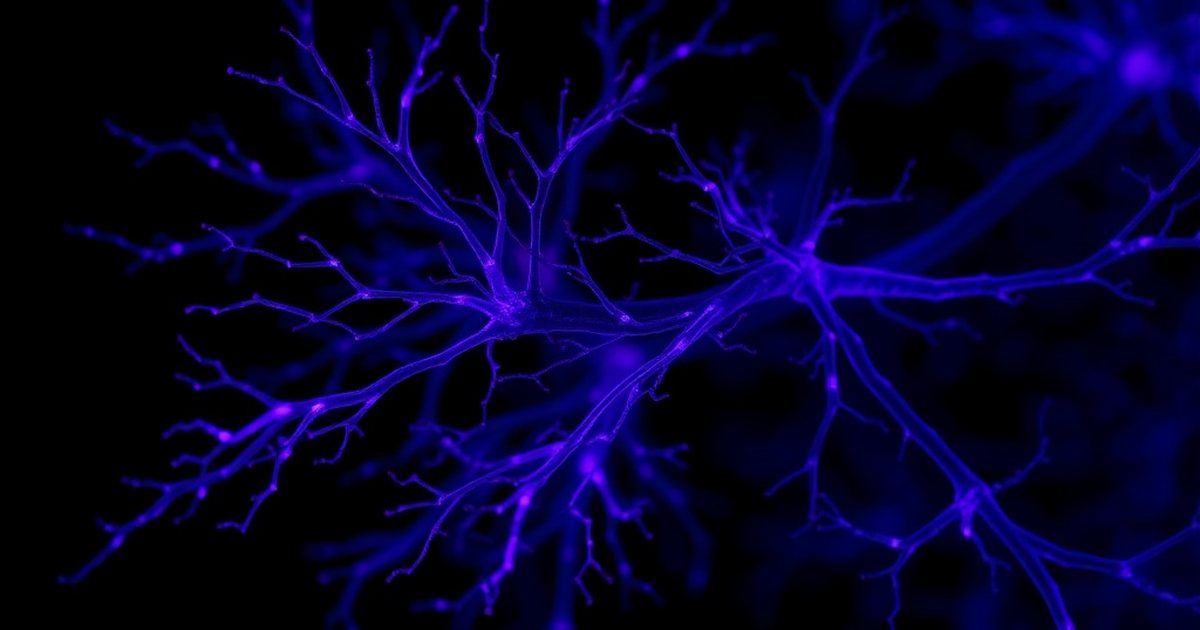
Nitric oxide (NO) is a gaseous signaling molecule involved in neurotransmission, inflammation, and vascular regulation. In stress and mood research, excessive neuronal NOS (nNOS) activity has been linked to anxiety- and depression-like behavioral changes in animal models. Agmatine inhibits nNOS preferentially while appearing to spare or upregulate endothelial NOS (eNOS), giving it an isoform-selective profile that distinguishes it from nonselective NOS inhibitors [6].
This selective NOS modulation was tested directly in a chronic unpredictable mild stress (CUMS) model—a well-validated rodent paradigm that reliably induces anxiety-like behavior, depressive behavior, and cognitive impairment over several weeks of varied, unpredictable stressors. Agmatine treatment attenuated all three outcomes, with researchers concluding that modulation of the nitrergic signaling pathway was central to the observed benefit [1]. The implication is that agmatine’s potential anti-stress activity may depend substantially on its ability to normalize NO signaling that becomes dysregulated during sustained psychological stress.

Preclinical Evidence: What Animal Studies Show Across Different Models
Beyond the chronic stress model, agmatine’s anxiolytic-like effects have been documented across several biologically distinct animal contexts. In diabetic insulin-resistant rats—a model that produces both metabolic dysfunction and elevated anxiety and depressive behavior—agmatine administration modulated anxiety- and depression-like outcomes [2]. This is notable because metabolic and neuropsychiatric conditions frequently co-occur in people, and the same nitrergic and imidazoline mechanisms appear to operate across these overlapping conditions.
Subchronic agmatine administration in healthy mice produced reductions in anxiety-like behavior alongside changes in hippocampal Akt/GSK-3β signaling—a pathway involved in neuronal survival, synaptic plasticity, and stress resilience [9]. A more recent 2025 study using a mouse model of persistent craniofacial inflammation, which is known to elevate anxiety-like behavior, found that daily agmatine administration reduced anxiety-like behaviors and modulated neural responses in stress-relevant brain regions [3]. Across chronic stress, metabolic disease, and inflammatory pain contexts, the preclinical signal is consistent.
Honest caveats are necessary here. All of this evidence is from rodents. Behavioral anxiety tests in animals—such as the elevated plus maze, open field test, and light-dark box—measure proxies that correlate with anxiety states but do not map cleanly onto human anxiety disorders. Species differences in receptor pharmacology, metabolism, and stress biology mean that rodent data provides a hypothesis worth investigating, not a confirmed clinical outcome.
Inflammation, Oxidative Stress, and the Anxiety Overlap
Neuroinflammation is increasingly recognized as a contributor to anxiety and mood disorders, with elevated inflammatory cytokines and microglial activation observed in some individuals with treatment-resistant conditions. Agmatine has been shown to mitigate inflammation-related oxidative stress in microglial BV-2 cells by inducing a pre-adaptive cellular response—a mechanism that may help buffer the brain against inflammatory insults [4].

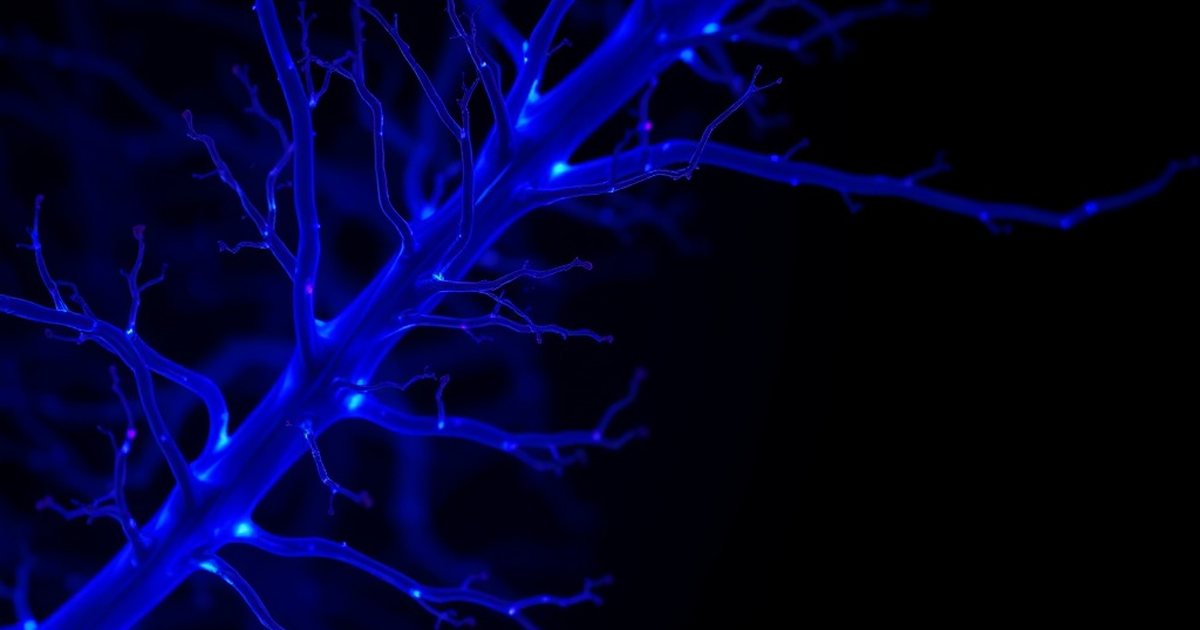
The 2025 craniofacial inflammation study reinforces this connection from the behavioral direction: reducing ongoing peripheral inflammation with agmatine led to measurable reductions in anxiety-like neural activity, suggesting that agmatine’s anti-inflammatory properties may contribute to behavioral outcomes rather than operating as an unrelated side effect [3]. This raises the possibility that the anxiolytic-like profile seen across preclinical models reflects a convergence of mechanisms—imidazoline receptor activity, NOS modulation, and anti-inflammatory action—rather than a single pathway.
Endogenous Agmatine Levels, NMDA Receptors, and Broader Neuropsychiatric Context
One indirect line of evidence comes from studies measuring agmatine in biological samples rather than administering it. Research found decreased plasma agmatine concentrations in autistic subjects compared to neurotypical controls [10]. While autism and anxiety are distinct conditions, the finding raises a broader hypothesis: that individual variation in endogenous agmatine tone may modulate neuropsychiatric vulnerability more generally. If low agmatine is associated with altered neurological states in one population, it is at least biologically plausible that supporting agmatine signaling could affect stress reactivity in others—though this remains speculative.
Separately, agmatine’s capacity to block NMDA receptors places it in mechanistic territory adjacent to emerging fast-acting antidepressants, which also act on the NMDA system, though through different sites and with far lower potency. NMDA receptor overactivation has been implicated in stress-induced synaptic changes associated with anxiety and depression, and agmatine’s inhibitory effect at this receptor may complement its imidazoline and NOS activity [6]. The mechanistic picture that emerges is of a compound with several overlapping, potentially synergistic effects on the neurobiology of stress—none of them confirmed in humans, but collectively coherent at a theoretical level.
🛒 Where to Buy Agmatine
- Primaforce Agmatine SulfateLab-tested / studied
powder, 100 g tub, 133 servings — Longtime bodybuilding-community standard; lab-tested for potency and purity and made in a GMP-compliant, FDA-registered facility, with no fillers or additives - BulkSupplements.com Agmatine Sulfate Capsules
capsules, 2 capsules per serving, 180 count (90 servings) — Third-party tested and made in a cGMP-compliant facility, with no fillers or additives; a capsule option for newcomers who would rather not measure powder - Nutricost Agmatine Sulfate
capsules, 500 mg per capsule, 120 capsules (60 servings) — Lowest cost per dose of the four; non-GMO, gluten free and third-party tested, made in a GMP-compliant, FDA-registered facility - Nootropics Depot Agmatine Sulfate Capsules
capsules, 250 mg per capsule (500 mg per 2-capsule serving), 120 count — Established nootropics retailer; the lowest per-capsule strength of the four, which suits users titrating a dose upward rather than starting at a full 500 mg
As an Amazon Associate we earn from qualifying purchases. Agmatine products vary mainly in form and dose accuracy — powders need a milligram-accurate scale to hit a consistent dose while capsules fix it for you, so prefer whichever you will actually measure correctly, and choose products that publish third-party testing.
A Note on the Evidence
All anxiety-related evidence for agmatine is preclinical; no human clinical trials confirm efficacy for any anxiety condition, and this article is informational only—not medical advice. Individuals taking blood pressure medications, MAOIs, or opioids should consult a physician before use, as agmatine’s activity at imidazoline receptors and NOS isoforms may interact with these drug classes in ways not yet fully characterized [11].
Frequently Asked Questions
How does agmatine's mechanism differ from GABA-based supplements for anxiety?
GABA-ergic supplements—including theanine, GABA itself, and phenibut—work primarily by enhancing inhibitory signaling through GABA-A or GABA-B receptors. Agmatine instead engages imidazoline receptors, inhibits neuronal NOS, and blocks NMDA receptors, representing a mechanistically distinct approach to stress modulation [6]. Whether one strategy outperforms another for human anxiety has not been compared in clinical trials.
Is there evidence agmatine helps with stress-related cognitive problems?
In animal models, yes. A chronic unpredictable mild stress study found agmatine attenuated not only anxiety- and depression-like behavior but also cognitive impairment resulting from sustained stress exposure [1]. Subchronic agmatine in mice also produced changes in hippocampal Akt/GSK-3β signaling, a pathway involved in memory consolidation and neuroplasticity [9]. No human data exists confirming these effects.
Could agmatine be more useful when anxiety is driven by inflammation or chronic pain?
Preclinical evidence suggests this may be a particularly relevant context. A 2025 study found that daily agmatine reduced anxiety-like behaviors and neural stress responses specifically in mice with persistent craniofacial inflammation [3], and agmatine reduced oxidative stress in microglial cells under inflammatory conditions [4]. Pain and anxiety are highly comorbid, and shared inflammatory mechanisms may explain some of the observed benefit—though human confirmation is absent.
Does agmatine interact with alcohol's effects on anxiety?
Rodent research suggests it does. Agmatine modulated ethanol’s anxiolytic effects and influenced withdrawal-related anxiety in rats, with imidazoline receptor activity identified as a key mediator [7]. A later study found agmatine reduced the acquisition (but not the expression) of conditioned place preference for ethanol, again implicating imidazoline receptors [8]. Whether these interactions translate meaningfully to human alcohol use contexts is not known.
Are lower agmatine levels linked to anxiety or neuropsychiatric conditions?
Indirectly, there is some suggestion. Decreased plasma agmatine concentrations have been reported in autistic subjects [10], raising the hypothesis that individual differences in endogenous agmatine tone may influence neuropsychiatric vulnerability more broadly. This is hypothesis-generating rather than conclusive, and no study has directly linked low agmatine levels to anxiety disorders in the general population.
What dose of agmatine is relevant for anxiety-related outcomes?
Animal studies use weight-adjusted doses that do not translate directly to humans. General supplementation practice has converged on 500–2000 mg of agmatine sulfate daily, though there is no clinically validated dose for anxiety in people. Gastrointestinal discomfort—nausea, loose stools—is the most commonly reported side effect at higher doses, so starting at the low end of that range and assessing tolerance is a practical approach.
References
- Gawali NB et al. Agmatine attenuates chronic unpredictable mild stress-induced anxiety, depression-like behaviours and cognitive impairment by modulating nitrergic signalling pathway. Brain research (2017). PMID 28302445
- Kale M et al. Agmatine modulates anxiety and depression-like behaviour in diabetic insulin-resistant rats. Brain research (2020). PMID 32758481
- Iwamoto Y et al. Daily Administration of Agmatine Reduced Anxiety-like Behaviors and Neural Responses in the Brains of Male Mice with Persistent Inflammation in the Craniofacial Region. Nutrients (2025). PMID 40507117
- Milosevic K et al. Agmatine Mitigates Inflammation-Related Oxidative Stress in BV-2 Cells by Inducing a Pre-Adaptive Response. International journal of molecular sciences (2022). PMID 35408922
- Halaris A et al. Agmatine : metabolic pathway and spectrum of activity in brain. CNS drugs (2007). PMID 17927294
- Rafi H et al. Pharmacological profile of agmatine: An in-depth overview. Neuropeptides (2024). PMID 38608401
- Taksande BG et al. Agmatine, an endogenous imidazoline receptor ligand modulates ethanol anxiolysis and withdrawal anxiety in rats. European journal of pharmacology (2010). PMID 20394743
- Sameer SM et al. Agmatine attenuates acquisition but not the expression of ethanol conditioned place preference in mice: a role for imidazoline receptors. Behavioural pharmacology (2013). PMID 23399882
- Ostovan VR et al. The effects of subchronic agmatine on passive avoidance memory, anxiety-like behavior and hippocampal Akt/GSK-3β in mice. Behavioural pharmacology (2022). PMID 34954711
- Esnafoglu E et al. Decreased plasma agmatine levels in autistic subjects. Journal of neural transmission (Vienna, Austria : 1996) (2018). PMID 29302750
- Manole OM et al. Exploring the Cardiovascular Impacts of Agmatine: A Systematic Review. Medical sciences (Basel, Switzerland) (2025). PMID 41283257
These statements have not been evaluated by the Food and Drug Administration. This information is not intended to diagnose, treat, cure, or prevent any disease. Content is for informational purposes only and is not medical advice; consult a qualified healthcare provider before starting any supplement. As an Amazon Associate we earn from qualifying purchases.
