Affiliate disclosure: As an Amazon Associate, AgmatineHub earns from qualifying purchases. This helps support our research and content creation, and it does not affect what we recommend. Full disclosure.
Agmatine has one of the more unusual origin stories in nutritional biochemistry. Isolated for the first time in 1910 by German biochemist Albrecht Kossel from herring sperm, the compound sat on the margins of metabolic research for most of the twentieth century, treated largely as an unremarkable intermediate in the polyamine biosynthesis pathway. It was known to form when the amino acid L-arginine lost its carboxyl group, and it was understood to be a precursor to the polyamine putrescine—but beyond that, it attracted little sustained attention.
That changed dramatically in the early 1990s when researchers detected agmatine not just in bacteria and marine organisms, but in mammalian brain tissue. That finding reframed agmatine from a metabolic footnote into a candidate neuromodulator, sparking a wave of mechanistic research that continues today. Understanding how that shift happened—and what it revealed about agmatine’s proposed roles in the nervous system—is essential context for anyone evaluating the compound’s potential health relevance.
Key Takeaways
- Agmatine was first isolated in 1910 by Albrecht Kossel but was largely overlooked until its rediscovery in mammalian brain tissue in 1994.
- It is synthesized endogenously from L-arginine via arginine decarboxylase and is proposed to function as a neuromodulator rather than merely a metabolic byproduct.
- Its proposed mechanisms include NMDA receptor antagonism, imidazoline receptor agonism, and differential NOS isoform inhibition—a broad pharmacological profile that spans pain, mood, and vascular biology.
- Human clinical evidence is limited; most research comes from animal models and mechanistic studies, so claimed benefits should be interpreted cautiously.
- Individuals taking blood pressure medications, MAOIs, or opioids should consult a physician before using agmatine sulfate due to plausible receptor-level interactions.
Kossel's Discovery and the Early Decades of Neglect
Albrecht Kossel, who would later win the 1910 Nobel Prize in Physiology or Medicine for his work on cell chemistry, first described agmatine as a constituent of herring sperm nucleoprotamines in the same year he received that honor. He identified it as the decarboxylation product of L-arginine—meaning it forms when arginine loses a carbon dioxide molecule—and named it from ‘Agmat,’ derived from the Latin for herring sperm (‘sperma arengae’).
For the following eight decades, agmatine was studied primarily in the context of bacterial metabolism and the biosynthesis of polyamines such as putrescine, spermidine, and spermine. These polyamines are essential for cell growth and gene regulation, and agmatine was recognized as one route by which bacteria convert arginine into putrescine via the enzyme agmatinase. In mammalian biochemistry, however, a different pathway (the ornithine decarboxylase route) was considered dominant for polyamine synthesis, which contributed to the assumption that agmatine had no independent physiological significance in higher organisms.
This view was also reinforced by the technical difficulty of detecting agmatine at the low concentrations found in biological tissues. Without sensitive assay methods, the compound was easy to overlook, and the scientific community largely did.
The Pivotal Rediscovery in Mammalian Brain Tissue
The story shifted in 1994, when a group at Cornell University Medical College — Li, Regunathan and colleagues, working in the laboratory of D. J. Reis — purified the brain’s long-sought “clonidine-displacing substance” and identified it by mass spectroscopy as agmatine, a compound that paper described as “heretofore not detected in brain.” The same work reported that arginine decarboxylase, the enzyme that forms agmatine from L-arginine, is present in brain tissue, and proposed agmatine as an endogenous agonist at imidazoline receptors that may act as a neurotransmitter.[1] This was a conceptually important finding: if the brain makes agmatine, the compound is not merely a digestive or bacterial metabolite that happens to be absorbed—it is an endogenous molecule that the nervous system produces and, presumably, uses.

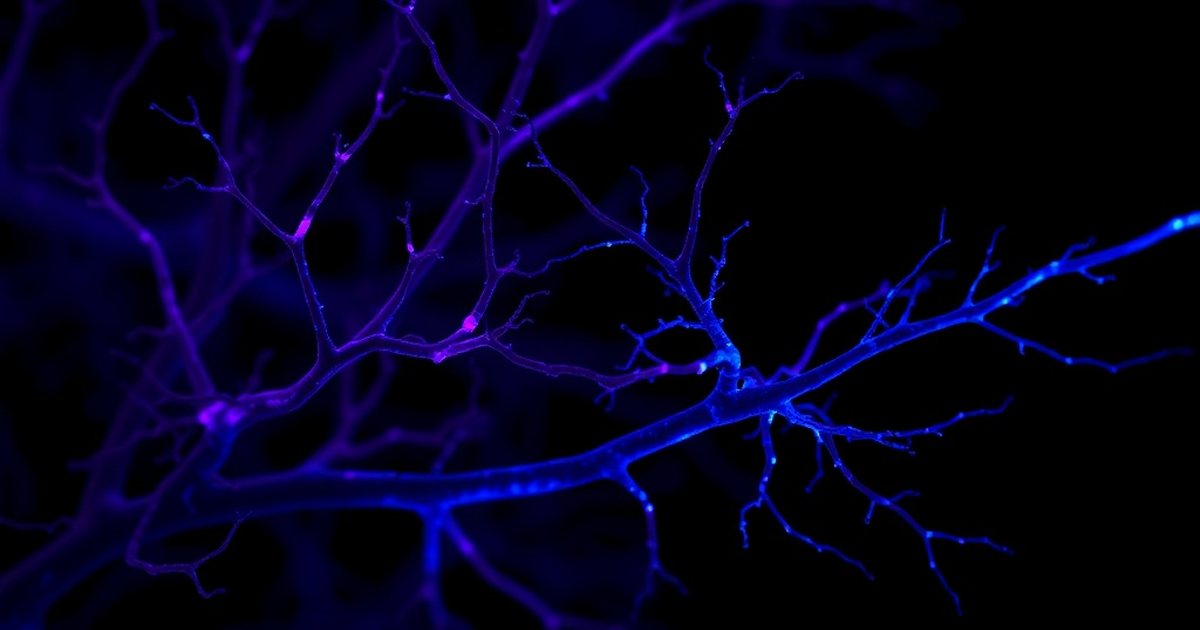
The same work proposed that agmatine could be stored in neurons and released in a manner consistent with neurotransmitter behavior. This hypothesis was not fully proven by that initial paper and remains a subject of ongoing scientific discussion, but the possibility was enough to catalyze a new generation of agmatine research focused on its receptors, its effects on neural signaling, and its potential physiological functions. The compound had moved from metabolic footnote to candidate neuromodulator in a single publication cycle.
Proposed Mechanisms: How Agmatine Acts in the Nervous System
What gave the rediscovery such momentum was that agmatine was found to interact with multiple receptor systems simultaneously[2]—an unusual pharmacological profile that suggested broad physiological reach. The primary proposed mechanisms include antagonism at N-methyl-D-aspartate (NMDA) glutamate receptors, agonism at imidazoline receptors (particularly I1 and I2 subtypes), inhibition of nitric oxide synthase (NOS) isoforms, and interactions with alpha-2 adrenergic receptors.
NMDA receptor antagonism is particularly significant in the context of pain and neuroprotection. NMDA receptors mediate excitatory neurotransmission and are implicated in central sensitization—the process by which chronic pain becomes amplified and self-perpetuating. Compounds that modulate NMDA activity have long been of interest to pain researchers, and agmatine’s endogenous status makes it a biochemically interesting candidate in that space.
The differential regulation of nitric oxide synthase isoforms adds another layer of complexity. Agmatine appears to inhibit neuronal NOS and inducible NOS[2] while having comparatively less effect on endothelial NOS. This selectivity matters because neuronal and inducible NOS are associated with inflammatory signaling and excitotoxicity, whereas endothelial NOS supports vascular tone and blood flow. If the selectivity profile observed in laboratory settings translates meaningfully to human physiology, it would distinguish agmatine from non-selective NOS inhibitors and help explain some of its proposed vasodilatory and neuroprotective effects.

Imidazoline Receptors and the Blood Pressure Connection
One of the receptor systems most closely associated with agmatine is the imidazoline receptor family. Imidazoline receptors—named for the imidazoline ring structure that characterizes many of their ligands—are distributed in the brainstem, adrenal glands, and peripheral tissues. I1 imidazoline receptors in the rostral ventrolateral medulla are involved in central regulation of blood pressure, and several antihypertensive drugs (including clonidine and moxonidine) exert part of their effect through this system.
Agmatine’s structural resemblance to imidazoline ligands and its affinity for these receptors suggested early on that it might participate in blood pressure regulation. This connection has practical implications for safety: individuals taking blood pressure medications should consult a physician before supplementing with agmatine, as there is a plausible pharmacological basis for interaction, even if large human trials documenting specific interactions are not yet available.
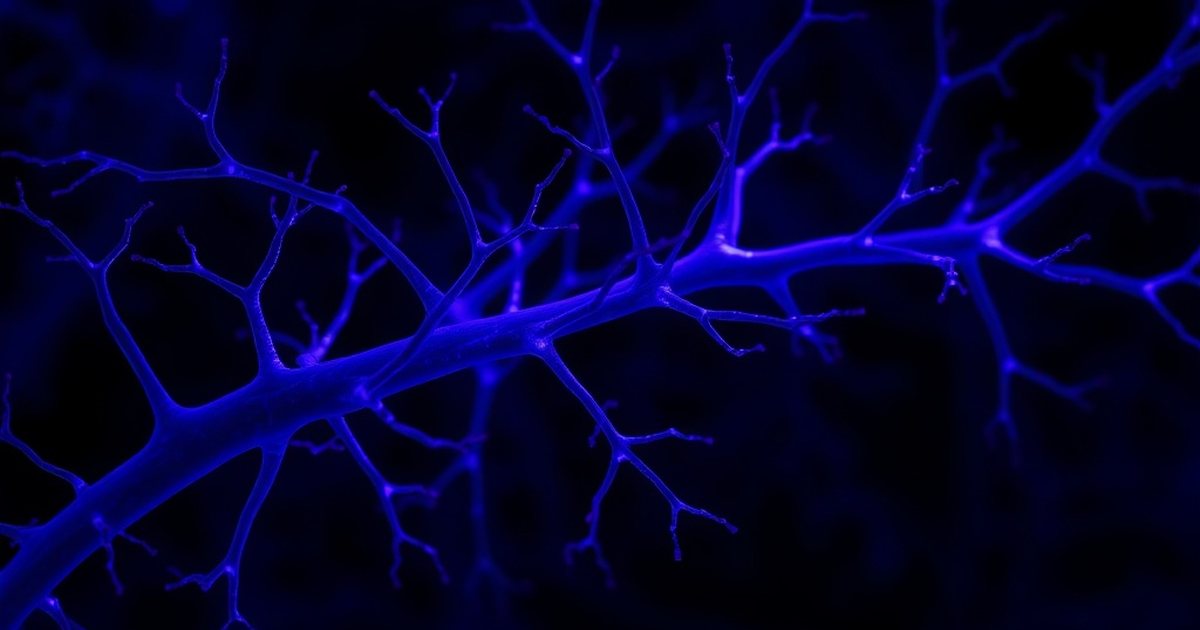
The I2 imidazoline receptor subtype is associated with monoamine oxidase regulation and has been proposed as a target relevant to mood and pain modulation. Research into this pathway remains early-stage, but it represents one thread in the broader effort to understand why agmatine’s proposed effects appear to span multiple physiological domains.

From Bench Discovery to Supplement: The Path to Commercial Use
Agmatine moved from academic curiosity to commercial supplement ingredient over the course of the 2000s and 2010s, driven largely by interest from the sports nutrition and cognitive health communities. Its proposed effects on nitric oxide pathways made it attractive to bodybuilding audiences interested in vasodilation and muscle pumps, while its NMDA antagonism and potential mood support drew interest from biohackers and individuals exploring supplements for mental resilience.
The compound is most commonly sold as agmatine sulfate, a stable salt form that dissolves readily in water. Commonly referenced doses in supplement contexts range from 500 mg to 2000 mg daily, though clinical research establishing optimal dosing for any specific outcome in humans is limited. Most human trials to date have been small and short-term[5][6], and the gap between mechanistic findings in animal models and demonstrated effects in humans remains a genuine limitation of the current evidence base.
It is important to state clearly: agmatine sulfate is not approved by the FDA to diagnose, treat, cure, or prevent any disease. The mechanistic research is scientifically interesting, but interest is not the same as established efficacy. Anyone considering agmatine supplementation should treat the available evidence with appropriate caution and discuss use with a qualified healthcare provider, particularly if they take medications for blood pressure, mood disorders, or pain.
Where Agmatine Research Stands Today
Current agmatine research spans several fields: pain medicine, neuroprotection, mood disorder biology, addiction, and metabolic health[3]. Animal model studies have explored its effects in contexts ranging from neuropathic pain to opiate tolerance and withdrawal[4]—areas where NMDA receptor modulation is pharmacologically relevant. Researchers have also examined its interactions with the polyamine system, given that agmatine is metabolized by agmatinase back to putrescine and by diamine oxidase to other products, meaning its effects may partly depend on local enzymatic activity in different tissues.
The honest summary of the current literature is that agmatine is a genuinely interesting endogenous compound with a plausible and multi-layered mechanistic profile, but one whose human clinical evidence is still developing. Its journey from Kossel’s herring sperm extract to a recognized mammalian neuromodulator is a legitimate and compelling piece of biochemical history. Whether that history will culminate in proven therapeutic applications, or whether agmatine will remain a well-characterized molecule with limited confirmed clinical utility, is a question that ongoing and future research will need to answer.
🛒 Where to Buy Agmatine
- Primaforce Agmatine SulfateLab-tested / studied
powder, 100 g tub, 133 servings — Longtime bodybuilding-community standard; lab-tested for potency and purity and made in a GMP-compliant, FDA-registered facility, with no fillers or additives - BulkSupplements.com Agmatine Sulfate Capsules
capsules, 2 capsules per serving, 180 count (90 servings) — Third-party tested and made in a cGMP-compliant facility, with no fillers or additives; a capsule option for newcomers who would rather not measure powder - Nutricost Agmatine Sulfate
capsules, 500 mg per capsule, 120 capsules (60 servings) — Lowest cost per dose of the four; non-GMO, gluten free and third-party tested, made in a GMP-compliant, FDA-registered facility - Nootropics Depot Agmatine Sulfate Capsules
capsules, 250 mg per capsule (500 mg per 2-capsule serving), 120 count — Established nootropics retailer; the lowest per-capsule strength of the four, which suits users titrating a dose upward rather than starting at a full 500 mg
As an Amazon Associate we earn from qualifying purchases. Agmatine products vary mainly in form and dose accuracy — powders need a milligram-accurate scale to hit a consistent dose while capsules fix it for you, so prefer whichever you will actually measure correctly, and choose products that publish third-party testing.
A Note on the Evidence
The human clinical evidence for agmatine supplementation is early-stage and largely extrapolated from animal and mechanistic studies; confirmed therapeutic benefits in people have not been established for any condition. Individuals using blood pressure medications, MAOIs, opioid medications, or who are pregnant or breastfeeding should consult a qualified physician before using agmatine sulfate, as plausible pharmacological interactions exist.
Frequently Asked Questions
Who first discovered agmatine?
Agmatine was first isolated in 1910 by German biochemist Albrecht Kossel from herring sperm nucleoprotamines. He identified it as the decarboxylation product of L-arginine and gave it a name derived from the Latin term for herring sperm. Kossel received the Nobel Prize in Physiology or Medicine that same year for his broader work on cell chemistry.
Why was agmatine ignored for most of the twentieth century?
It was understood primarily as an intermediate in bacterial polyamine synthesis and was not believed to have a significant independent role in mammalian physiology. Additionally, early analytical techniques were not sensitive enough to reliably detect the low concentrations present in mammalian tissue, making systematic study difficult.
What changed in 1994 that sparked modern agmatine research?
A research group detected agmatine in mammalian brain tissue and proposed that a mammalian form of arginine decarboxylase synthesizes it there. This reframed agmatine as a potential endogenous neuromodulator rather than a digestive or bacterial metabolite, opening an entirely new line of inquiry into its receptors and physiological functions.
What does it mean that agmatine is a 'pleiotropic' neuromodulator?
Pleiotropic means acting through multiple pathways simultaneously. Agmatine interacts with at least four distinct receptor systems—NMDA receptors, imidazoline receptors, alpha-2 adrenergic receptors, and nitric oxide synthase enzymes—which is unusual for a single endogenous molecule and helps explain why proposed effects appear across pain, mood, blood pressure, and neuroprotection research.
Is agmatine the same as L-arginine or a form of it?
No. Agmatine is derived from L-arginine through a chemical reaction called decarboxylation—the removal of a carboxyl group by the enzyme arginine decarboxylase—but it is a structurally distinct molecule with its own pharmacological profile. Taking L-arginine does not guarantee meaningful conversion to agmatine, and the two compounds act on different receptors.
What is agmatine sulfate and why is it used in supplements?
Agmatine sulfate is a stable salt form of agmatine commonly used in dietary supplements. The sulfate salt form improves stability and solubility compared to agmatine base. Supplement doses typically range from 500 mg to 2000 mg daily, though clinical research in humans establishing optimal dosing or confirmed outcomes remains limited, and these statements have not been evaluated by the FDA.
References
- Li G, Regunathan S, Barrow CJ, Eshraghi J, Cooper R, Reis DJ. Agmatine: an endogenous clonidine-displacing substance in the brain. Science (1994). PMID 7906055
- Halaris A, Plietz J. Agmatine: metabolic pathway and spectrum of activity in brain. CNS Drugs (2007). PMID 17927294
- Akasaka N, Fujiwara S. The therapeutic and nutraceutical potential of agmatine, and its enhanced production using Aspergillus oryzae. Amino Acids (2020). PMID 30915570
- Wu N, Su RB, Li J. Agmatine and imidazoline receptors: their role in opioid analgesia, tolerance and dependence. Cell Mol Neurobiol (2008). PMID 17653850
- Keynan O, Mirovsky Y, Dekel S, Gilad VH, Gilad GM. Safety and efficacy of dietary agmatine sulfate in lumbar disc-associated radiculopathy: an open-label, dose-escalating study followed by a randomized, double-blind, placebo-controlled trial. Pain Med (2010). PMID 20447305
- Rosenberg ML, Tohidi V, Sherwood K, Gayen S, Medel R, Gilad GM. Evidence for dietary agmatine sulfate effectiveness in neuropathies associated with painful small fiber neuropathy: a pilot open-label consecutive case series study. Nutrients (2020). PMID 32102167
These statements have not been evaluated by the Food and Drug Administration. This information is not intended to diagnose, treat, cure, or prevent any disease. Content is for informational purposes only and is not medical advice; consult a qualified healthcare provider before starting any supplement. As an Amazon Associate we earn from qualifying purchases.
