Affiliate disclosure: As an Amazon Associate, AgmatineHub earns from qualifying purchases. This helps support our research and content creation, and it does not affect what we recommend. Full disclosure.
Agmatine sulfate spent its early commercial life tucked into pre-workout formulas, marketed almost exclusively for the vasodilatory ‘pump’ effect it can contribute during training. For a while, that was the whole story: a downstream metabolite of L-arginine that gym enthusiasts found mildly interesting. Then something unexpected happened. Users and researchers began noticing that the effects did not stop at the skeletal muscles. Reports of improved mood, reduced pain perception, and sharper mental clarity started accumulating — and those reports turned out to have a plausible biochemical basis.
Agmatine is synthesized from L-arginine by the enzyme arginine decarboxylase, and unlike many supplement ingredients whose mechanisms are narrowly defined, it engages several distinct receptor systems at once. It inhibits NMDA receptors, activates imidazoline receptors, and differentially regulates nitric oxide synthase isoforms depending on which isoform is in question. That multi-target pharmacology — called pleiotropic action — is precisely what makes agmatine scientifically interesting beyond the pump, and why it has earned serious attention in the nootropics community. This article traces that full story honestly, mechanism by mechanism.
Key Takeaways
- Agmatine is an endogenous neuromodulator — found naturally in brain tissue — not just a synthetic gym supplement, which explains its multi-system biological activity.
- Its pleiotropic mechanisms span NMDA receptor inhibition, imidazoline receptor activation, and differential nitric oxide synthase regulation, linking vascular, pain, and mood pathways.
- Preclinical evidence is strong; human clinical trials are small and preliminary — promising signals exist but definitive efficacy claims are not yet supported.
- Typical well-tolerated doses range from 500 to 2000 mg daily; gastrointestinal discomfort is the most commonly reported side effect at higher doses.
- Individuals using antihypertensives, MAOIs, or opioids should consult a physician before using agmatine due to plausible pharmacological interactions.
From Arginine Metabolite to Independent Signaling Molecule
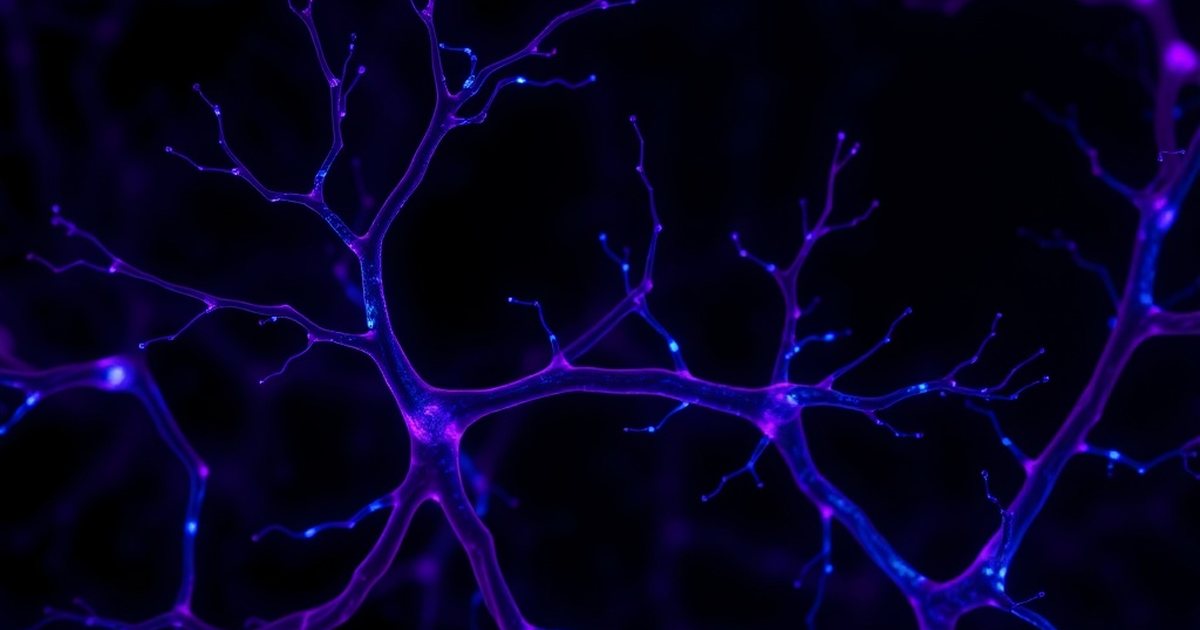
For decades, agmatine was considered a minor metabolic byproduct of arginine catabolism, a stepping stone on the way to polyamine synthesis rather than a bioactive compound in its own right. That view changed substantially when researchers identified agmatine in mammalian brain tissue and confirmed that it is stored, released, and inactivated in a manner consistent with a genuine neurotransmitter or neuromodulator — not a passive metabolite.
Agmatine is found in neurons and astrocytes throughout the central nervous system, with notable concentrations in regions associated with pain processing, mood regulation, and autonomic control. The discovery that the brain synthesizes and concentrates agmatine endogenously reframed the entire conversation. Rather than a supplement that delivers a foreign compound, agmatine supplementation appears to augment levels of something the body already uses as a signaling molecule — a distinction that matters when evaluating both its proposed benefits and its safety profile.
This endogenous status also explains why agmatine’s effects are so broad. A dedicated neurotransmitter system with a single receptor target produces focused, predictable effects. A pleiotropic molecule that touches NMDA receptors, imidazoline receptors, nitric oxide pathways, and alpha-2 adrenergic receptors produces overlapping influences across cognition, pain, mood, and vascular tone simultaneously. Understanding each arm of that pharmacology separately is the clearest way to understand why agmatine crossed into the nootropic space.
NMDA Receptor Inhibition: The Pain and Neuroprotection Angle
One of agmatine’s best-characterized mechanisms is its ability to inhibit N-methyl-D-aspartate (NMDA) receptors, which are ionotropic glutamate receptors central to excitatory neurotransmission. NMDA receptor overactivation — a process called excitotoxicity — is implicated in neuronal damage following ischemia, traumatic brain injury, and certain chronic pain states. By acting as an NMDA receptor antagonist, agmatine may help attenuate this excitotoxic cascade.

In the context of pain, NMDA receptors are integral to the phenomenon of central sensitization, where the nervous system amplifies pain signals beyond what peripheral injury alone would predict. This is particularly relevant to neuropathic pain — the burning, shooting, or allodynic pain associated with nerve damage or dysfunction. The inhibition of NMDA receptors by agmatine provides a mechanistic rationale for the pain-attenuating effects reported in preclinical models, and it is one of the primary reasons pain researchers have taken interest in this compound.

For nootropic users, the neuroprotective angle is equally relevant. NMDA receptor dysregulation has been associated with neurodegenerative processes, and compounds that can modulate glutamatergic activity without fully blocking it — as agmatine does at physiological doses — have attracted attention as potential candidates for preserving cognitive function under stress. It is important to state clearly, however, that human clinical evidence in this domain remains limited, and no clinical conclusions should be drawn from preclinical data alone.
Imidazoline Receptors and the Mood Connection
Agmatine’s interaction with imidazoline receptors — specifically the I1 and I2 subtypes — represents the mechanism most directly tied to its reported mood-supporting properties. Imidazoline receptors are expressed broadly in the brain and periphery, and I2 receptors in particular are found on the outer mitochondrial membrane of neurons, where they appear to influence monoamine oxidase (MAO) activity. Since MAO is the primary enzyme that degrades serotonin, dopamine, and norepinephrine, any compound that modulates MAO activity has a plausible downstream effect on mood-regulating neurotransmitters.
Preclinical research has explored agmatine’s potential antidepressant-like effects through this imidazoline pathway and through interactions with serotonergic systems. The hypothesis is that by partially inhibiting MAO-B via imidazoline receptor engagement, agmatine may support slightly elevated catecholamine and indolamine tone — a modest effect that would not produce the risks of full MAO inhibition but might contribute to the mood-brightening quality some users report. This is a proposed mechanism; it is not an established clinical outcome, and it should not be interpreted as evidence that agmatine treats depression.
What makes this biologically interesting from a nootropic standpoint is that mood, motivation, and cognitive performance are tightly coupled. A compound that supports baseline mood tone through imidazoline receptor modulation, even modestly, can have practical relevance to working memory, sustained attention, and stress resilience — all outcomes nootropic users care about. The evidence here is largely preclinical and mechanistic; well-powered human trials specifically targeting mood are still sparse.
Nitric Oxide Regulation: The Bridge Between Physical and Cognitive Performance
Nitric oxide (NO) is one of the most important signaling molecules in both vascular and neural tissue. Its role in dilating blood vessels is why arginine-derived compounds became popular in sports nutrition — more NO means better blood flow to working muscles. But NO also functions as a retrograde neurotransmitter in the brain, influencing synaptic plasticity and learning, which is where agmatine’s relationship with NO synthesis becomes especially relevant to nootropics.

Agmatine does not simply block or activate nitric oxide synthase (NOS); it acts differentially across NOS isoforms. It appears to inhibit inducible NOS (iNOS) and neuronal NOS (nNOS) while having a different or lesser effect on endothelial NOS (eNOS). This distinction matters enormously. iNOS and nNOS can generate excessive NO during inflammation or neuronal stress, contributing to oxidative damage via peroxynitrite formation. eNOS-derived NO in blood vessels, by contrast, supports healthy vascular tone. A compound that can selectively dampen the harmful overproduction while preserving beneficial vascular signaling occupies a genuinely useful pharmacological position.
In practice, this differential NOS regulation helps explain why agmatine can simultaneously support the vascular effects gym users value and the neuroprotective effects nootropic users are interested in — these are not coincidental or unrelated outcomes, but expressions of the same underlying biochemistry acting in different tissue types.
What the Research Actually Shows — and Where It Stops
Preclinical evidence for agmatine is robust in several areas. Animal models have consistently shown pain-attenuating effects, antidepressant-like behavioral changes, and neuroprotective outcomes following various injury paradigms. This body of work established the mechanistic plausibility that drew researchers and supplement formulators to agmatine in the first place.

Human clinical evidence is more limited. Small pilot studies and case reports in neuropathic pain have produced encouraging signals, particularly in lumbar disc-associated pain where some participants reported meaningful symptom reduction. The lumbar disc trial is the concrete one: 2.670 g/day for 14 days, randomized and placebo-controlled, in which both arms improved but the agmatine group improved significantly more on average pain and quality-of-life measures.[1] However, these studies are small, often uncontrolled, and not sufficient to make definitive efficacy claims. Researchers have called for larger, randomized controlled trials to determine whether the effects observed preclinically translate robustly to human populations.[2]
Anyone approaching agmatine as a nootropic should hold the evidence with appropriate epistemic humility. The mechanisms are real and scientifically interesting. The animal data is encouraging across multiple domains. The human data is preliminary. That combination — solid mechanism, early human signal, insufficient large-scale confirmation — is where many promising neuromodulators sit, and it calls for informed optimism rather than enthusiasm that outruns the evidence.
Dosing, Practical Use, and Safety Considerations
Agmatine sulfate is commercially available and generally well-tolerated in the range of 500 to 2000 mg daily. Most nootropic users report starting at the lower end of that range — 500 to 1000 mg — and assessing tolerance before increasing. Higher doses, particularly above 1500 mg, are associated with gastrointestinal side effects including nausea and loose stools, which appear to be the primary dose-limiting adverse effects in otherwise healthy adults.
Timing considerations vary by intended use. Some users take agmatine before training for the vascular and potential performance-related effects; others take it in the evening or with meals for its proposed calming and mood-supportive properties. There is no established clinical consensus on optimal timing, and individual response appears to vary meaningfully.

Several interaction concerns deserve explicit attention. Agmatine’s influence on nitric oxide pathways means individuals on antihypertensive medications should consult a physician before use, as additive blood-pressure-lowering effects are plausible. Because agmatine may modulate MAO activity through imidazoline receptors, concurrent use with monoamine oxidase inhibitors (MAOIs) should be avoided or supervised by a prescribing physician. Agmatine has also been studied in the context of opioid receptor signaling, and because it may alter opioid receptor sensitivity or tolerance dynamics, individuals using opioid medications should discuss agmatine use with their physician before starting. These statements have not been evaluated by the FDA, and agmatine sulfate is not approved to diagnose, treat, cure, or prevent any disease.
🛒 Where to Buy Agmatine
- Primaforce Agmatine SulfateLab-tested / studied
powder, 100 g tub, 133 servings — Longtime bodybuilding-community standard; lab-tested for potency and purity and made in a GMP-compliant, FDA-registered facility, with no fillers or additives - BulkSupplements.com Agmatine Sulfate Capsules
capsules, 2 capsules per serving, 180 count (90 servings) — Third-party tested and made in a cGMP-compliant facility, with no fillers or additives; a capsule option for newcomers who would rather not measure powder - Nutricost Agmatine Sulfate
capsules, 500 mg per capsule, 120 capsules (60 servings) — Lowest cost per dose of the four; non-GMO, gluten free and third-party tested, made in a GMP-compliant, FDA-registered facility - Nootropics Depot Agmatine Sulfate Capsules
capsules, 250 mg per capsule (500 mg per 2-capsule serving), 120 count — Established nootropics retailer; the lowest per-capsule strength of the four, which suits users titrating a dose upward rather than starting at a full 500 mg
As an Amazon Associate we earn from qualifying purchases. Agmatine products vary mainly in form and dose accuracy — powders need a milligram-accurate scale to hit a consistent dose while capsules fix it for you, so prefer whichever you will actually measure correctly, and choose products that publish third-party testing.

A Note on the Evidence
The human clinical evidence supporting agmatine’s proposed neuromodulatory benefits remains preliminary, with most trials being small, short-term, or uncontrolled; robust randomized controlled trial data is still lacking. Individuals using blood pressure medications, MAOIs, or opioids should consult a qualified physician before using agmatine, and this article is informational only — it does not constitute medical advice, and agmatine sulfate is not approved by the FDA to diagnose, treat, cure, or prevent any disease.
Frequently Asked Questions
What exactly is agmatine and where does it come from?
Agmatine is a biogenic amine formed from the amino acid L-arginine by the enzyme arginine decarboxylase. It is synthesized endogenously in mammalian brain tissue and the gut, and is also found in fermented foods and certain plant sources. As a supplement it is typically sold as agmatine sulfate, the stable salt form.
How is agmatine different from just taking more L-arginine?
L-arginine is a precursor to both agmatine and nitric oxide via different enzymatic pathways. Taking arginine primarily boosts nitric oxide production through nitric oxide synthase. Agmatine, as a downstream metabolite with its own receptor targets — particularly NMDA receptors and imidazoline receptors — has a distinct pharmacological profile that arginine itself does not share. The two compounds have overlapping but meaningfully different mechanisms.
Why do nootropic users take agmatine if it was originally a gym supplement?
The crossover happened because agmatine’s mechanisms extend well beyond vascular effects. Its NMDA receptor inhibition is relevant to pain processing and neuroprotection, its imidazoline receptor activity is linked to proposed mood support through effects on monoamine oxidase, and its modulation of neuronal nitric oxide synthase may support brain health under oxidative stress. These properties attracted researchers and then users interested in cognitive and mood outcomes.
Is agmatine safe to take daily?
For otherwise healthy adults, agmatine is generally reported as well-tolerated at 500 to 2000 mg daily, with gastrointestinal discomfort being the primary dose-dependent side effect. Long-term human safety data is limited, however, as most trials have been short in duration. As with any supplement, conservative dosing and periodic breaks are reasonable precautions, and individuals with underlying health conditions should consult a physician.
Can agmatine be combined with other nootropics?
Agmatine is commonly stacked with racetams, adaptogens, and choline sources without reported problems in the nootropic community. However, combinations with compounds that strongly affect glutamatergic, serotonergic, or nitric oxide pathways warrant care. Specifically, combining agmatine with MAOIs or opioids carries interaction risk and should not be done without physician guidance. Combinations with antihypertensive medications should also be discussed with a doctor given agmatine’s vascular activity.
How long does it take to notice effects from agmatine?
Vascular effects such as enhanced muscle pump during training may be noticeable acutely, within the same session. Proposed neurological effects — mood support, reduced pain sensitivity, cognitive benefits — are more often described by users as building over days to weeks of consistent use. This is consistent with receptor-level adaptations rather than immediate pharmacological saturation, though individual variation is substantial and no specific timeline is clinically established.
References
- Keynan O et al. Safety and Efficacy of Dietary Agmatine Sulfate in Lumbar Disc-associated Radiculopathy. An Open-label, Dose-escalating Study Followed by a Randomized, Double-blind, Placebo-controlled Trial. Pain medicine (Malden, Mass.) (2010). PMID 20447305
- Rosenberg ML et al. Evidence for Dietary Agmatine Sulfate Effectiveness in Neuropathies Associated with Painful Small Fiber Neuropathy. A Pilot Open-Label Consecutive Case Series Study. Nutrients (2020). PMID 32102167
These statements have not been evaluated by the Food and Drug Administration. This information is not intended to diagnose, treat, cure, or prevent any disease. Content is for informational purposes only and is not medical advice; consult a qualified healthcare provider before starting any supplement. As an Amazon Associate we earn from qualifying purchases.
