Affiliate disclosure: As an Amazon Associate, AgmatineHub earns from qualifying purchases. This helps support our research and content creation, and it does not affect what we recommend. Full disclosure.
Excitotoxicity—the process by which excessive glutamate activity overstimulates NMDA receptors and triggers neuronal death—is implicated in stroke, traumatic brain injury, and several neurodegenerative diseases. Agmatine, a small molecule produced naturally in the brain from L-arginine, has attracted scientific attention because it appears to act directly at NMDA receptors as an antagonist, potentially interrupting this destructive cascade before neurons are lost.
This article reviews what current research proposes about agmatine’s neuroprotective mechanisms, with a focus on its interaction with NMDA receptors. The evidence comes primarily from animal and cell models; human clinical data remain limited. Nothing here constitutes medical advice, and these statements have not been evaluated by the FDA.
Key Takeaways
- Agmatine may reduce excitotoxic neuronal death by acting as an antagonist at the NMDA receptor polyamine site, dampening—rather than eliminating—receptor activity [1][2].
- In animal stroke models, agmatine has reduced infarct size and protected neurons from ischemia-like injury, though human clinical evidence remains limited [3][4].
- Agmatine’s neuroprotective actions likely involve multiple mechanisms simultaneously: NMDA modulation, iNOS inhibition, Nrf2 antioxidant activation, NF-κB suppression, and mitochondrial dynamic support [5][6].
- Gut microbiome composition may influence how much agmatine is available to the brain, introducing individual variability that is not yet well understood [7].
- Nearly all supportive evidence comes from cell and animal studies; robust human clinical trials are needed before any clinical conclusions can be drawn.
What Is Excitotoxicity and Why NMDA Receptors Matter
Under normal conditions, glutamate is the brain’s primary excitatory neurotransmitter, enabling learning, memory, and rapid neural signaling. Problems arise when glutamate accumulates in the synapse beyond what neurons can safely handle—a scenario common during ischemia, hypoxia, or traumatic injury. The excess glutamate locks NMDA receptors open, flooding neurons with calcium ions. This calcium overload activates destructive enzymes, damages mitochondria, and ultimately causes cell death in a process called excitotoxicity.
NMDA receptors contain a magnesium-blockable channel pore and several distinct binding sites, including a polyamine site where molecules like agmatine are proposed to bind. Compounds that modulate rather than completely silence NMDA activity are of particular interest because total blockade causes serious side effects such as psychosis and cognitive disruption. Agmatine’s proposed partial or modulatory antagonism at the polyamine site may offer a more nuanced approach [2].
Agmatine's Proposed Mechanisms at the NMDA Receptor
Agmatine is structurally related to polyamines like spermine and spermidine, which interact with a regulatory site on the NMDA receptor. Research suggests agmatine may act as an antagonist at this polyamine site, effectively dampening receptor overactivation without fully blocking normal glutamate signaling [8]. This distinguishes it from full NMDA antagonists such as ketamine or memantine.
In cell studies, agmatine reduced death in neurons and PC12 cells exposed to both NMDA and glutamate at toxic concentrations, suggesting the protective effect is tied to its receptor interactions rather than a nonspecific mechanism [1]. The compound also appears to inhibit NMDA receptor expression at the molecular level; in a rodent model of dyskinesia, agmatine reduced NMDA receptor expression while simultaneously activating the Nrf2 antioxidant pathway and suppressing the HMGB1/RAGE/TLR4/MYD88/NF-κB inflammatory signaling cascade [5]. This dual anti-excitotoxic and anti-inflammatory action may explain why neuroprotective effects in animal models often exceed what NMDA blockade alone would predict.

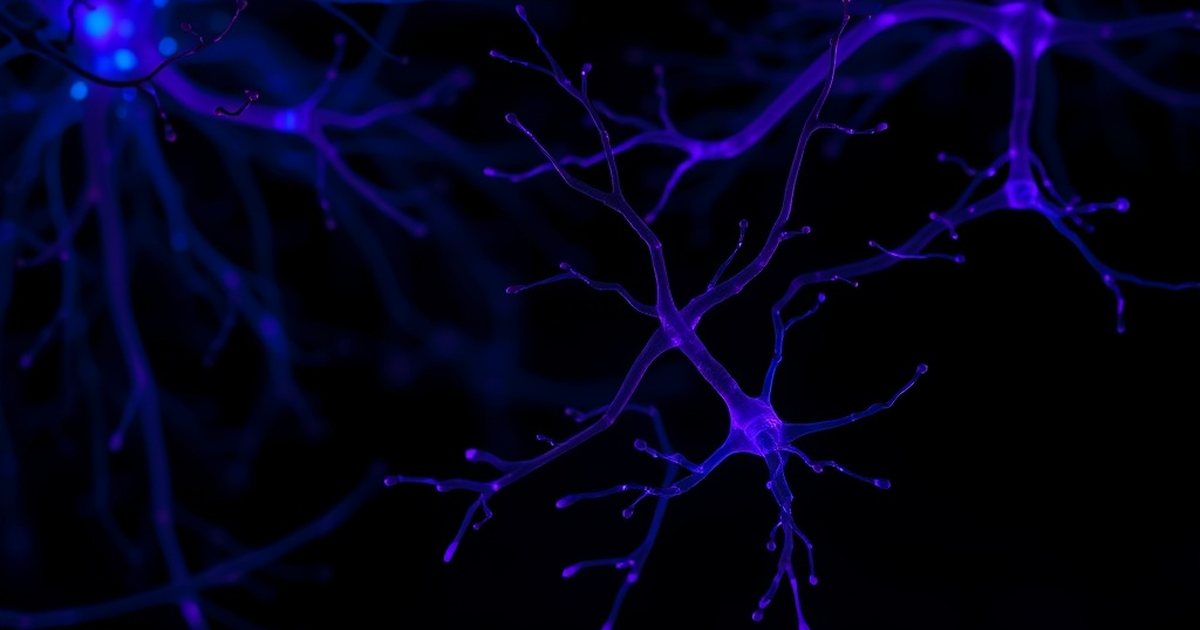
Agmatine also differentially modulates nitric oxide synthase isoforms. It inhibits inducible NOS (iNOS), which produces large, potentially neurotoxic bursts of nitric oxide during inflammation, while having less inhibitory effect on the constitutive neuronal and endothelial isoforms [9]. Because nitric oxide overproduction is a downstream consequence of NMDA receptor overactivation, this NOS modulation may act as a second line of defense against excitotoxic damage.
Evidence from Ischemia and Stroke Models
Stroke is perhaps the most-studied context for agmatine neuroprotection because ischemia produces a rapid, massive release of glutamate that drives excitotoxicity. In a mouse model of transient focal cerebral ischemia, agmatine treatment significantly reduced infarct area, and the same study confirmed that agmatine protected cultured neurons from ischemia-like injury in vitro [3]. These findings established an early preclinical basis for investigating agmatine in acute brain injury.
More recent work extended this to recurrent ischemic stroke. In a murine model, agmatine administration was associated with neuroprotective outcomes in animals subjected to repeated ischemic events, a scenario that more closely mirrors the clinical reality for stroke patients who face elevated risk of subsequent strokes [4]. While these results are encouraging, it must be noted that translating efficacy from rodent ischemia models to human stroke has historically proven difficult, and no large human trials have confirmed these effects.

Mitochondrial Protection and Neurodegenerative Disease
NMDA receptor overactivation damages neurons in part by overwhelming mitochondrial function: excess calcium entry disrupts the electrochemical gradient, causes reactive oxygen species production, and can trigger the mitochondrial permeability transition that initiates apoptosis. Agmatine appears to engage mitochondrial protective pathways independently of its NMDA effects.
A 2025 investigation specifically examined agmatine’s influence on mitochondrial dynamics in the context of neurodegenerative disorders, finding that it may help regulate the balance between mitochondrial fission and fusion—processes that govern whether damaged mitochondria are isolated and cleared or allowed to spread dysfunction throughout the cell [6]. Preserving healthy mitochondrial dynamics is increasingly recognized as central to neuroprotection in conditions like Parkinson’s and Alzheimer’s disease.
A comprehensive 2019 review summarized evidence across multiple neurodegenerative contexts, noting that agmatine’s pleiotropic profile—spanning NMDA antagonism, imidazoline receptor activation, NOS modulation, and antioxidant effects—positions it as a candidate for diseases where no single mechanism accounts for all neuronal loss [2]. The review emphasized that while the mechanistic rationale is strong, most supportive evidence at that point remained preclinical.
The Gut-Brain Axis: An Emerging Dimension
A 2023 review raised an intriguing dimension to agmatine neuroprotection: the gut microbiome. Gut bacteria both produce and metabolize agmatine, meaning intestinal microbial composition could influence how much agmatine is available systemically and within the central nervous system [7]. The review proposed that agmatine may serve as a signaling molecule within the gut-brain axis, with its neuroprotective actions potentially linked to microbiome-mediated pathways.

This perspective is speculative but consistent with the broader recognition that the gut-brain axis plays roles in neuroinflammation and neurodegeneration. It also raises a practical point: individual variation in microbiome composition might influence how a given person responds to supplemental agmatine. This area of research is early, and no firm conclusions about microbiome optimization for agmatine efficacy can yet be drawn.
Agmatine's Broader Neuroprotective Profile
Beyond direct NMDA antagonism, agmatine’s neuroprotective case rests on several converging actions. Activation of imidazoline receptors (I1 and I2 subtypes) is associated with anti-inflammatory and cytoprotective effects in the nervous system. A 2018 review catalogued evidence across neurological diseases including epilepsy, depression, pain, and spinal cord injury, concluding that agmatine’s receptor polyvalence makes it relevant across conditions where excitotoxicity, oxidative stress, and neuroinflammation converge [10].
Neuroinflammation and excitotoxicity are tightly coupled: inflammatory cytokines sensitize NMDA receptors, lower seizure thresholds, and impair glutamate clearance, while glutamate receptor overactivation in turn activates microglia and promotes inflammatory cascades. Agmatine may interrupt this bidirectional loop at multiple points [8]. Its suppression of the NF-κB inflammatory pathway, demonstrated in the dyskinesia model, is particularly relevant given that NF-κB activation is a common downstream consequence of sustained NMDA receptor stimulation [5].
A pharmacological profile review published in 2024 noted that agmatine’s actions at alpha-2 adrenergic receptors may also contribute to neuroprotection by modulating norepinephrine release and reducing central sensitization, adding yet another layer to its proposed mechanism set [9]. Researchers have also explored fluorescence-tagged agmatine analogs that preserve the neuroprotective amino group, confirming that the core structural features responsible for NMDA modulation are essential to its activity [11].
🛒 Where to Buy Agmatine
- Primaforce Agmatine SulfateLab-tested / studied
powder, 100 g tub, 133 servings — Longtime bodybuilding-community standard; lab-tested for potency and purity and made in a GMP-compliant, FDA-registered facility, with no fillers or additives - BulkSupplements.com Agmatine Sulfate Capsules
capsules, 2 capsules per serving, 180 count (90 servings) — Third-party tested and made in a cGMP-compliant facility, with no fillers or additives; a capsule option for newcomers who would rather not measure powder - Nutricost Agmatine Sulfate
capsules, 500 mg per capsule, 120 capsules (60 servings) — Lowest cost per dose of the four; non-GMO, gluten free and third-party tested, made in a GMP-compliant, FDA-registered facility - Nootropics Depot Agmatine Sulfate Capsules
capsules, 250 mg per capsule (500 mg per 2-capsule serving), 120 count — Established nootropics retailer; the lowest per-capsule strength of the four, which suits users titrating a dose upward rather than starting at a full 500 mg
As an Amazon Associate we earn from qualifying purchases. Agmatine products vary mainly in form and dose accuracy — powders need a milligram-accurate scale to hit a consistent dose while capsules fix it for you, so prefer whichever you will actually measure correctly, and choose products that publish third-party testing.
A Note on the Evidence
The evidence supporting agmatine neuroprotection is largely preclinical—drawn from cell cultures and rodent models—and should not be interpreted as proof of clinical benefit in humans. Individuals taking blood pressure medications, MAOIs, or opioids should consult a physician before using agmatine, as it may interact with these treatments. These statements have not been evaluated by the FDA; agmatine sulfate is not approved to diagnose, treat, cure, or prevent any disease.
Frequently Asked Questions
How does agmatine block NMDA receptors differently from drugs like ketamine?
Agmatine is proposed to act at the polyamine regulatory site on the NMDA receptor rather than occluding the ion channel directly the way ketamine does [8]. This modulatory rather than complete blockade may reduce the risk of psychotomimetic side effects associated with full NMDA antagonists, though direct head-to-head human comparisons have not been published.
Is there human evidence that agmatine protects the brain?
Most published neuroprotection research on agmatine has been conducted in cell cultures and rodent models [2][3]. While the mechanistic rationale is scientifically coherent, there are currently no large randomized controlled trials in humans confirming that supplemental agmatine reduces neurodegeneration or stroke damage in people.
Can agmatine reduce brain damage after a stroke?
In rodent ischemia models, agmatine has reduced infarct area and protected neurons from ischemia-like injury [3], and more recent work found neuroprotective effects in a recurrent ischemic stroke model [4]. These preclinical results are promising but cannot be directly applied to humans without clinical trial evidence.
Does agmatine affect inflammation as well as excitotoxicity?
Yes—agmatine appears to suppress the HMGB1/RAGE/TLR4/MYD88/NF-κB inflammatory signaling cascade and activate the Nrf2 antioxidant pathway, suggesting it addresses both the excitotoxic and neuroinflammatory components of neuronal injury simultaneously [5]. This dual action may be one reason its effects in animal models appear broader than simple NMDA blockade would predict.
What is the role of the gut microbiome in agmatine's effects?
Gut bacteria both synthesize and break down agmatine, which means microbiome composition could modulate how much agmatine reaches the bloodstream and brain [7]. This is an emerging research area and the practical implications for supplementation are not yet clear.
What dose of agmatine is generally used in research contexts?
Human supplementation studies and clinical investigations have typically used doses in the 500–2000 mg per day range. Gastrointestinal side effects including nausea and loose stools have been reported at higher doses. Animal neuroprotection studies have used weight-based dosing that does not translate directly to human equivalents, so dose comparisons across species should be made cautiously.
References
- Zhu MY et al. Effect of agmatine against cell death induced by NMDA and glutamate in neurons and PC12 cells. Cellular and molecular neurobiology (2003). PMID 14514037
- Kotagale NR et al. Neuroprotective offerings by agmatine. Neurotoxicology (2019). PMID 31063707
- Kim JH et al. Agmatine reduces infarct area in a mouse model of transient focal cerebral ischemia and protects cultured neurons from ischemia-like injury. Experimental neurology (2004). PMID 15296842
- Miranda-Mosqueda ML et al. Agmatine: An Emerging Approach for Neuroprotection in Recurrent Ischemic Stroke Events in a Murine Model. Drug development research (2024). PMID 39470139
- Azar YO et al. Agmatine-mediated inhibition of NMDA receptor expression and amelioration of dyskinesia via activation of Nrf2 and suppression of HMGB1/RAGE/TLR4/MYD88/NF-κB signaling cascade in rotenone lesioned rats. Life sciences (2022). PMID 36209830
- Nibrad D et al. Therapeutic modulation of mitochondrial dynamics by agmatine in neurodegenerative disorders. Neuroscience (2025). PMID 39890051
- Saha P et al. Neuroprotection by agmatine: Possible involvement of the gut microbiome?. Ageing research reviews (2023). PMID 37673131
- Neis VB et al. Therapeutic potential of agmatine for CNS disorders. Neurochemistry international (2017). PMID 28522414
- Rafi H et al. Pharmacological profile of agmatine: An in-depth overview. Neuropeptides (2024). PMID 38608401
- Xu W et al. Neuroprotective Role of Agmatine in Neurological Diseases. Current neuropharmacology (2018). PMID 28786346
- Barua S et al. Maintenance of the Neuroprotective Function of the Amino Group Blocked Fluorescence-Agmatine. Neurochemical research (2021). PMID 33914233
These statements have not been evaluated by the Food and Drug Administration. This information is not intended to diagnose, treat, cure, or prevent any disease. Content is for informational purposes only and is not medical advice; consult a qualified healthcare provider before starting any supplement. As an Amazon Associate we earn from qualifying purchases.
