Affiliate disclosure: As an Amazon Associate, AgmatineHub earns from qualifying purchases. This helps support our research and content creation, and it does not affect what we recommend. Full disclosure.
Agmatine sulfate has moved from relative obscurity into mainstream pre-workout formulas largely on the promise of enhancing the nitric oxide-driven ‘pump’—the vascular engorgement athletes experience during high-rep training. The compound is a biogenic amine produced in the body from L-arginine via the enzyme arginine decarboxylase, and its biochemistry is considerably more layered than most supplement labels suggest.
Rather than flooding the body with an NO precursor the way straight L-arginine does, agmatine exerts context-dependent effects across the three main nitric oxide synthase (NOS) isoforms. Understanding those distinctions matters for anyone evaluating whether agmatine belongs in their stack—and for setting realistic expectations about what the current evidence can and cannot actually confirm.
Key Takeaways
- Agmatine inhibits all three mammalian NOS isoforms at the biochemical level [1], so it is not a direct nitric oxide booster the way L-arginine or citrulline are.
- Its proposed pump-supportive mechanism rests on preferential suppression of iNOS-driven inflammatory NO while preserving eNOS-mediated vasodilation—a distinction supported by preclinical but not yet human clinical evidence.
- Agmatine’s inhibition of iNOS and associated oxidative stress was shown to protect vascular function in a rodent endotoxemia model [2], offering indirect support for a vascular-protective role.
- Competition between arginase and eNOS for L-arginine is a critical determinant of NO output; agmatine may help preserve the arginine pool for vasodilation, though direct human muscle data are lacking.
- Typical doses of 500–2000 mg/day are generally tolerated, but no large human exercise trials have confirmed pump enhancement or measurable performance benefits in healthy athletes.
Nitric Oxide and the Muscle Pump: A Brief Primer
Nitric oxide is a short-lived signaling molecule produced primarily by endothelial nitric oxide synthase (eNOS) in the cells lining blood vessel walls. When eNOS is activated—by shear stress from blood flow, muscular contractions, or adequate substrate—it converts L-arginine into L-citrulline and NO. That NO diffuses into surrounding smooth muscle, triggers cyclic GMP production, and causes vessel walls to relax and dilate. During resistance training, this cascade amplifies blood delivery to working tissue, producing the characteristic muscle fullness.
There are three NOS isoforms with meaningfully different roles. Endothelial NOS (eNOS) is the primary vasodilation driver and is generally considered beneficial in a training context. Neuronal NOS (nNOS) modulates synaptic signaling and motor-unit communication. Inducible NOS (iNOS), expressed mainly by immune and inflammatory cells under pathological conditions, generates large, sustained NO bursts that can damage tissue via reactive nitrogen species. A detailed overview of how arginine metabolism feeds each of these pathways has been published in the context of nervous system physiology, establishing that substrate availability and enzymatic competition are central regulators of how much NO is produced and where [3].
Agmatine Is a Broad NOS Inhibitor—Not a Simple NO Booster
The foundational biochemistry is counterintuitive for pump-seekers: agmatine inhibits all three mammalian NOS isoforms. Seminal work demonstrated that agmatine competitively inhibits L-arginine binding to NOS, reducing NO output across nNOS, eNOS, and iNOS [1]. On the surface, this appears to argue against agmatine as a vasodilation aid.

The resolution lies in isoform selectivity at physiologically relevant concentrations and in specific tissue contexts. Several lines of preclinical evidence suggest agmatine suppresses iNOS and immune-cell NO production more readily than it blunts baseline eNOS activity. Research in microglia—the brain’s resident immune cells—found that agmatine suppressed nitric oxide production in those cells [4], and complementary work in macrophages and astrocytes confirmed that agmatine modulates both iNOS expression and the arginine synthesis pathway that sustains it [5]. Selectively dampening iNOS-driven oxidative NO while preserving eNOS-mediated vasodilation is the core proposed mechanism behind agmatine’s purported vascular benefit—though it must be stressed that most of this evidence comes from cell cultures and rodent models, not controlled human exercise studies.
The iNOS–Oxidative Stress Connection and Vascular Protection
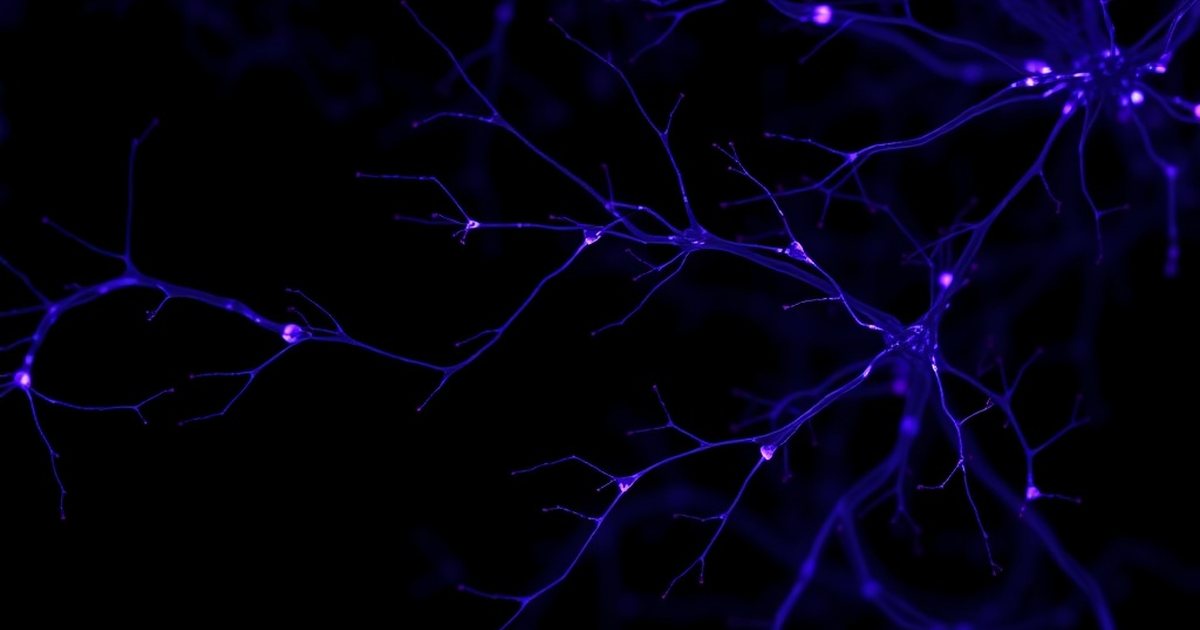
When iNOS is overactivated, it generates sustained high-volume NO that reacts with superoxide to form peroxynitrite, a potent oxidant that damages endothelial cells and erodes vasodilatory capacity. This mechanism underlies vascular dysfunction in systemic inflammation models. In a rat acute endotoxemia study, agmatine’s inhibition of iNOS combined with a reduction in oxidative stress markers significantly attenuated vascular dysfunction compared to controls [2]. This provides preclinical support for the idea that selectively limiting iNOS-derived NO can protect overall vascular function rather than impair it.
For athletes, the relevance is indirect but conceptually meaningful: heavy training generates transient inflammatory signaling, and if iNOS upregulation in that context degrades endothelial function, a compound that preferentially suppresses iNOS might help sustain eNOS-mediated pump capacity across repeated sessions. This is a plausible hypothesis derived from preclinical vascular biology—it has not been directly tested in a controlled human resistance-training trial.

Agmatine, eNOS, and Endothelial Cell Signaling
One study in cerebral endothelial cells found that agmatine inhibited matrix metalloproteinase-9 (MMP-9)—an enzyme associated with blood-brain-barrier disruption—through a mechanism that specifically involved endothelial NOS [6]. While MMP-9 inhibition in the brain is not directly relevant to skeletal muscle blood flow, the finding is notable because it places eNOS functionally inside agmatine’s signaling cascade in endothelial tissue. It does not establish that agmatine increases eNOS activity in exercising muscle, but it confirms the two are mechanistically linked in vascular cells.
Read alongside the iNOS inhibition data, a coherent—if still largely theoretical—picture emerges: agmatine may selectively attenuate excessive NO production from inflammatory iNOS sources while working through or alongside eNOS in endothelial cells, possibly preserving the vasodilatory arm of the NOS system even as it suppresses the inflammatory arm.
Arginine Competition and the Arginase Angle
A second proposed mechanism for agmatine’s vascular effects involves the arginine–arginase axis. Arginase catabolizes L-arginine into urea and ornithine, competing directly with NOS for the same substrate. When arginase activity is high, the free arginine pool available for eNOS shrinks, and NO output falls accordingly. Research on arginase overexpression in neurons demonstrated that elevated arginase activity significantly reduces arginine availability for NO synthesis, with measurable downstream consequences for cellular function [7]. Though that study was conducted in a traumatic brain injury context rather than in exercising muscle, it quantifies how heavily NO production depends on winning the arginine competition against arginase.
Agmatine has been proposed to inhibit arginase, thereby protecting the arginine pool for eNOS-mediated NO production—a route to vasodilation that is mechanistically distinct from directly stimulating NOS. Documentation of regional variations in arginine metabolism, including both arginase and NOS enzyme activities across neural tissue compartments [8], reinforces that local enzymatic competition is a key determinant of NO output in living tissue. Direct human evidence for agmatine’s arginase-inhibiting effect in skeletal muscle vasculature remains to be established.

What This Means for Bodybuilding: Honest Expectations
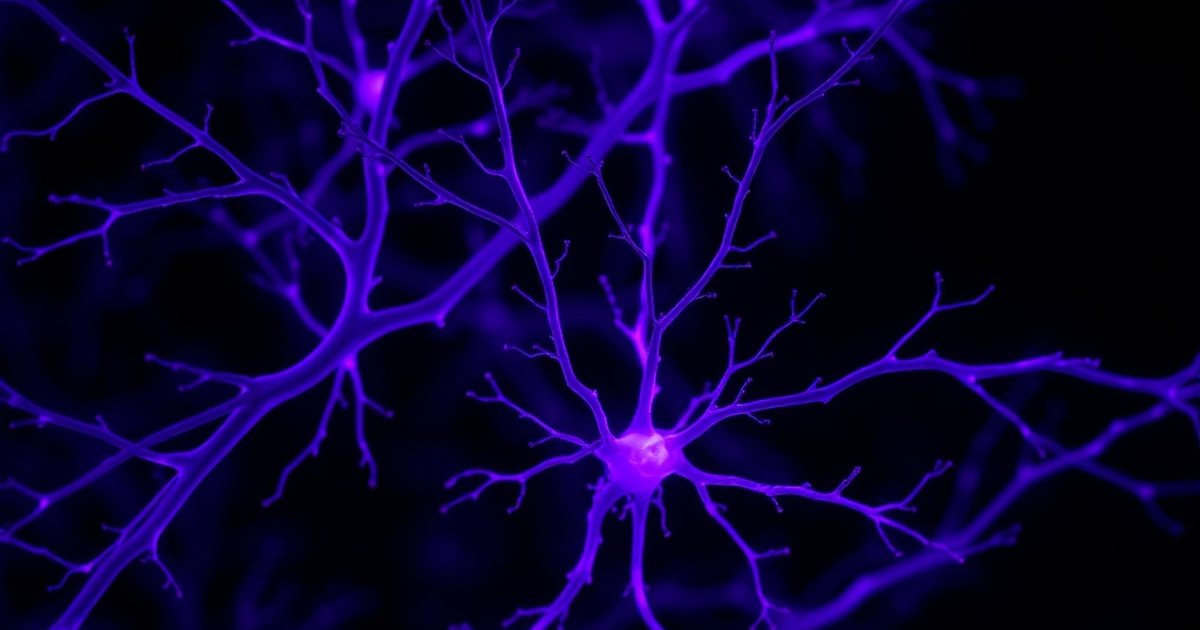
Agmatine sulfate is mechanistically interesting. Its differential modulation of NOS isoforms, its proposed preservation of arginine substrate via arginase competition, and its vascular-protective effects in animal inflammation models all point toward a compound with genuine vascular biology worth understanding. None of that automatically translates into a predictable, measurable pump enhancement in the gym.
There are no large, well-controlled human randomized trials examining agmatine’s effect on muscle blood flow, exercise-induced vasodilation, or subjective pump perception during resistance training. The preclinical evidence—iNOS inhibition and oxidative-stress attenuation [2], suppression of microglial NO [4], modulation of arginine metabolism pathways [5]—was generated in rodent and cell models, often in disease or injury contexts that may not translate directly to healthy, trained humans.
Agmatine is frequently combined with citrulline malate in pre-workout formulas. Citrulline bypasses arginase by recycling through the urea cycle and re-emerging as arginine in the kidneys, raising plasma arginine for eNOS. Agmatine theoretically complements this by limiting arginase competition locally and by selectively suppressing iNOS. Whether the combination outperforms either agent alone is speculative; no head-to-head human trial has been published. At typical supplemental doses of 500–2000 mg daily, agmatine is generally well tolerated, though gastrointestinal discomfort including nausea and loose stools has been reported at higher intakes.
🛒 Where to Buy Agmatine
- Primaforce Agmatine SulfateLab-tested / studied
powder, 100 g tub, 133 servings — Longtime bodybuilding-community standard; lab-tested for potency and purity and made in a GMP-compliant, FDA-registered facility, with no fillers or additives - BulkSupplements.com Agmatine Sulfate Capsules
capsules, 2 capsules per serving, 180 count (90 servings) — Third-party tested and made in a cGMP-compliant facility, with no fillers or additives; a capsule option for newcomers who would rather not measure powder - Nutricost Agmatine Sulfate
capsules, 500 mg per capsule, 120 capsules (60 servings) — Lowest cost per dose of the four; non-GMO, gluten free and third-party tested, made in a GMP-compliant, FDA-registered facility - Nootropics Depot Agmatine Sulfate Capsules
capsules, 250 mg per capsule (500 mg per 2-capsule serving), 120 count — Established nootropics retailer; the lowest per-capsule strength of the four, which suits users titrating a dose upward rather than starting at a full 500 mg
As an Amazon Associate we earn from qualifying purchases. Agmatine products vary mainly in form and dose accuracy — powders need a milligram-accurate scale to hit a consistent dose while capsules fix it for you, so prefer whichever you will actually measure correctly, and choose products that publish third-party testing.
A Note on the Evidence
Virtually all mechanistic evidence for agmatine’s effects on nitric oxide and vascular function comes from animal models and cell cultures—no large, well-controlled human trials have confirmed pump enhancement, improved blood flow, or exercise performance benefits in healthy athletes. Individuals taking blood pressure medications, opioids, or MAOIs should consult a physician before use. These statements have not been evaluated by the FDA; agmatine sulfate is not approved to diagnose, treat, cure, or prevent any disease.
Frequently Asked Questions
Does agmatine actually increase nitric oxide?
Not in a straightforward way. Agmatine inhibits all mammalian NOS isoforms at the biochemical level [1], meaning it does not raise NO output the way citrulline or direct L-arginine supplementation does. The proposed benefit rests on a different mechanism: preferential suppression of iNOS-derived inflammatory NO while leaving eNOS-driven vasodilation intact or operating through eNOS in endothelial cells [6]. This selectivity has been observed in preclinical models but has not been confirmed in human vascular tissue during exercise.
What is the difference between iNOS and eNOS for gym performance?
eNOS is the endothelial enzyme responsible for vasodilation and the training pump; it operates under tight physiological regulation and produces moderate, localized NO in response to exercise stimuli. iNOS is an inducible enzyme expressed by immune and inflammatory cells that can generate large, sustained NO bursts capable of forming damaging reactive nitrogen species and impairing endothelial function. Agmatine has been shown to suppress iNOS activity and attenuate oxidative stress in preclinical models [2], which is why selective iNOS inhibition—rather than blanket NOS suppression—is the theoretical basis for its vascular-supportive angle.
Why do some pre-workouts combine agmatine with citrulline?
Citrulline bypasses arginase catabolism by entering the urea cycle as citrulline and recycling back to arginine in the kidneys, effectively raising plasma arginine and eNOS substrate availability. Agmatine theoretically complements this by potentially inhibiting arginase at the local tissue level and by suppressing iNOS, leaving more of the arginine pool and NO production capacity available for eNOS. The underlying arginine competition framework is supported by metabolism research [3], but controlled human trials comparing the combination to either agent alone have not been published.
Is the arginine–agmatine pathway relevant beyond muscles?
Yes. Arginine is metabolized by both NOS and arginase pathways throughout the body, including extensively in the nervous system. Regional variations in these enzyme activities across the brainstem and spinal cord have been documented [8], and arginine metabolism underpins NO synthesis broadly in neural tissue [3]. Arginase overexpression in neurons has been shown to reduce the arginine available for NO synthesis with downstream functional consequences [7]. This is why agmatine research spans neuroprotection, pain modulation, and mood support, not just vascular biology.
Are there safety concerns with agmatine for people on medications?
Yes. Because agmatine modulates NOS pathways and has blood-pressure-relevant vascular effects, individuals using antihypertensive medications should exercise caution and consult a physician before adding it. Agmatine also interacts with NMDA receptors and may influence opioid tolerance mechanisms, so concurrent use with opioids or MAOIs warrants medical guidance. At typical doses of 500–2000 mg/day it is generally well tolerated, but gastrointestinal side effects including nausea and loose stools have been reported, particularly at the upper end of that range. These statements have not been evaluated by the FDA.
Does agmatine suppress nitric oxide in the brain as well as in peripheral tissue?
Preclinical evidence indicates it does in certain cell types. Agmatine was shown to suppress NO production specifically in microglia, the immune-like cells of the central nervous system [4], and to modulate iNOS expression and arginine synthesis in macrophages and astrocytes [5]. Research on nitric oxide’s involvement in agmatine’s behavioral effects in animal models also points to CNS NO pathways as a target . Whether these effects occur at meaningful scale in healthy humans taking supplement doses is not yet established.
References
- Galea E et al. Inhibition of mammalian nitric oxide synthases by agmatine, an endogenous polyamine formed by decarboxylation of arginine. The Biochemical journal (1996). PMID 8645212
- El-Awady MS et al. The inhibition of inducible nitric oxide synthase and oxidative stress by agmatine attenuates vascular dysfunction in rat acute endotoxemic model. Environmental toxicology and pharmacology (2017). PMID 28837867
- Wiesinger H et al. Arginine metabolism and the synthesis of nitric oxide in the nervous system. Progress in neurobiology (2001). PMID 11275358
- Abe K et al. Agmatine suppresses nitric oxide production in microglia. Brain research (2000). PMID 10924686
- Regunathan S et al. Regulation of inducible nitric oxide synthase and agmatine synthesis in macrophages and astrocytes. Annals of the New York Academy of Sciences (2003). PMID 15028566
- Yang MZ et al. Agmatine inhibits matrix metalloproteinase-9 via endothelial nitric oxide synthase in cerebral endothelial cells. Neurological research (2007). PMID 17588309
- Madan S et al. Arginase overexpression in neurons and its effect on traumatic brain injury. Molecular genetics and metabolism (2018). PMID 30055993
- Jing Y et al. Regional variations and age-related changes in arginine metabolism in the rat brain stem and spinal cord. Neuroscience (2013). PMID 23939384
These statements have not been evaluated by the Food and Drug Administration. This information is not intended to diagnose, treat, cure, or prevent any disease. Content is for informational purposes only and is not medical advice; consult a qualified healthcare provider before starting any supplement. As an Amazon Associate we earn from qualifying purchases.
