Affiliate disclosure: As an Amazon Associate, AgmatineHub earns from qualifying purchases. This helps support our research and content creation, and it does not affect what we recommend. Full disclosure.
Two well-conducted studies report opposite things about what stress does to brain agmatine. In 2003, four hours of cold-restraint stress raised cortical agmatine in rats from 15.3 to 57.4 ng/g of wet tissue: close to a fourfold increase [1]. In 2008, twenty-one days of six-hour daily restraint stress reduced endogenous agmatine across prefrontal cortex, hippocampus, striatum and hypothalamus [2].
Neither study is wrong. The reconciliation is the most useful concept in this entire literature, and it also explains why the supplement framing of “agmatine for stress” is usually pointed at the wrong problem.
On PTSD specifically: there is no study. Not a trial, not an animal model of PTSD treated with agmatine. We will say why the question keeps getting asked anyway, and what the adjacent evidence actually implies.
Key Takeaways
- Acute cold-restraint stress raised rat cortical agmatine from about 15 to about 57 ng/g: the brain mobilises agmatine as an acute response [1].
- Twenty-one days of repeated restraint depleted brain agmatine while raising arginine decarboxylase protein, a signature of a system straining to keep up [2].
- Giving agmatine at 50 mg/kg/day prevented the structural changes repeated restraint caused in medial prefrontal cortex and hippocampus [2].
- The strongest causal evidence is a 2023 study where overexpressing the agmatine-degrading enzyme in ventral hippocampus produced depression and anxiety-like behaviour, and knocking it down reversed it [3].
- In chronic mild stress models, agmatine lowered corticosterone and raised BDNF; blocking nitric oxide synthase potentiated the effect and l-arginine abolished it [4].
- There is no agmatine study in PTSD. The nearest evidence is fear-conditioning work, and it points in a direction most people do not expect.
Resolving the Contradiction
The clean reading is that agmatine is an acute stress response molecule that gets exhausted by chronic stress.
The 2003 Annals of the New York Academy of Sciences paper measured cortical agmatine after acute cold-restraint and found it sharply elevated, and the authors explicitly framed the rise as possibly neuroprotective: the brain deploying agmatine when acutely challenged [1].
The 2008 European Journal of Neuroscience paper ran the stress for three weeks and found the opposite: reduced agmatine in four brain regions. Crucially, it also found arginine decarboxylase protein, the synthesising enzyme, increased in those same regions [2]. That combination is diagnostic. A system with more synthesising enzyme and less product is a system running to stand still: upregulating production against a demand or degradation it cannot match.

The authors went further and argued the depletion is not merely a marker. They described stress-induced reductions in endogenous agmatine as playing a permissive role in the neuronal pathology caused by repeated restraint, meaning the depletion helps let the damage happen.
A 2023 review in Mini Reviews in Medicinal Chemistry synthesises this into a coherent frame: agmatine is released in response to stress conditions involving glucocorticoids and participates in restoring homeostasis afterward, while chronic stress exposure and repeated corticosteroid treatment lower agmatine levels and contribute to stress-related symptoms [5].
The Causal Study
Correlational depletion findings are weak evidence on their own. A 2023 study in Neuropharmacology is the one that turns this into something closer to causation, by manipulating the system directly rather than measuring it [3].
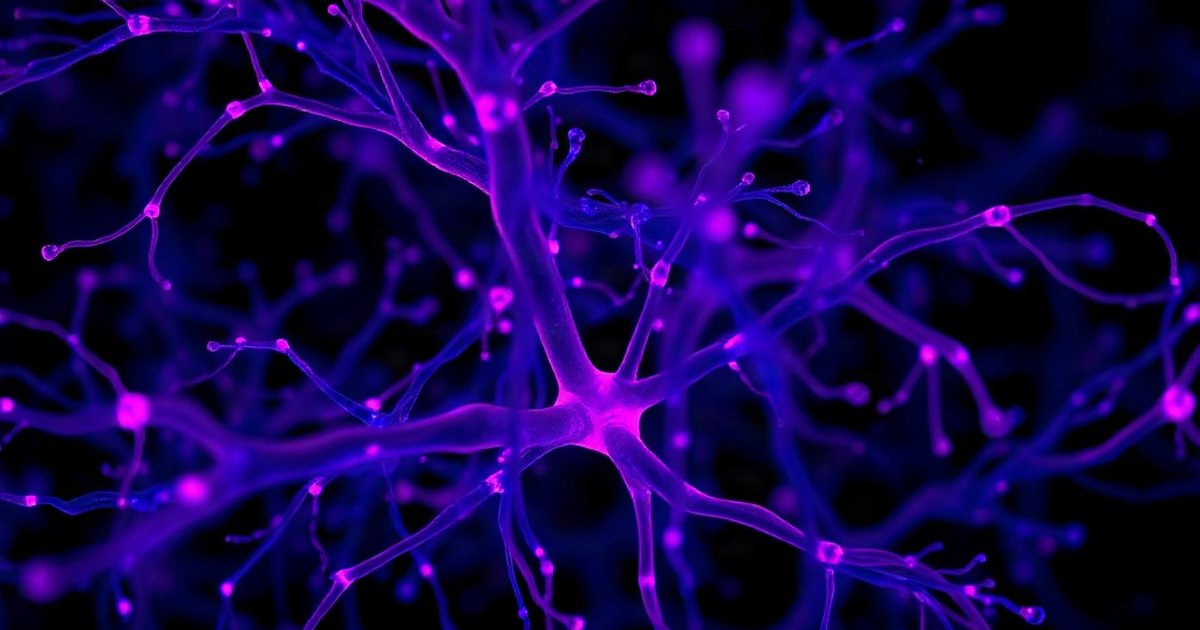
The researchers found agmatinase, the enzyme that destroys agmatine, was elevated in the ventral hippocampus of rats under chronic restraint stress, but not in medial prefrontal cortex. They then overexpressed agmatinase in ventral hippocampus, and that alone produced depressive and anxiety-like behaviours. Knocking agmatinase down produced antidepressant and anxiolytic effects in stressed animals. Electrophysiology showed blocking agmatinase increased Schaffer collateral-CA1 excitatory synaptic transmission.
Bidirectional manipulation producing bidirectional behavioural change, in a specific brain region, with a synaptic mechanism attached, is a substantially stronger design than anything else in this literature.
What Giving Agmatine Did
In the 2008 restraint study, agmatine at 50 mg/kg/day given simultaneously with the stress prevented the marked morphological alterations that repeated restraint produced in medial prefrontal cortex and hippocampus, and abolished the compensatory rise in arginine decarboxylase [2].
A 2017 study in Brain Research used chronic unpredictable mild stress over 28 days in mice. Stressed mice showed high serum corticosterone and low BDNF. Agmatine at 20 and 40 mg/kg produced antidepressant-like behaviour in forced swim and sucrose preference tests, anxiolytic behaviour in elevated plus maze and open field, and improved Morris water maze performance, while reducing corticosterone and raising BDNF. The nitric oxide dissection is the useful part: L-NAME, which blocks nitric oxide synthase, potentiated agmatine’s effects, while l-arginine abolished them [4]. That is strong evidence the nitrergic pathway carries the effect.

A 2016 study added an inflammatory mechanism: a single acute agmatine dose at 40 mg/kg down-regulated every stress-induced NLRP3 inflammasome component measured (NLRP3, NF-κB, PYCARD, caspase-1, IL-1β and IL-18) in hippocampus and prefrontal cortex, and restored the anti-inflammatory cytokines IL-4 and IL-10 in prefrontal cortex [6].
A 2014 study is worth noting for a practical reason: it used oral agmatine at 10 mg/kg and still abolished acute restraint stress-induced depressive-like behaviour and the associated hippocampal antioxidant imbalance [7]. Most of this literature injects. An oral result at a low dose is more relevant to how anyone actually takes it.
PTSD: The Gap and the Uncomfortable Adjacent Finding
No study has tested agmatine in PTSD, in humans or in an animal PTSD model. The question gets asked because the chronic-stress literature above is genuinely relevant to stress-related psychiatric conditions, and because agmatine’s mechanism (NMDA receptor antagonism, mTOR signalling) overlaps with ketamine’s, which does have PTSD trial data.
The nearest agmatine evidence is fear conditioning, and it points somewhere uncomfortable. A 2000 study in Behavioural Pharmacology reported an acquisition deficit and time-dependent retrograde amnesia for contextual fear conditioning in agmatine-treated rats [8].
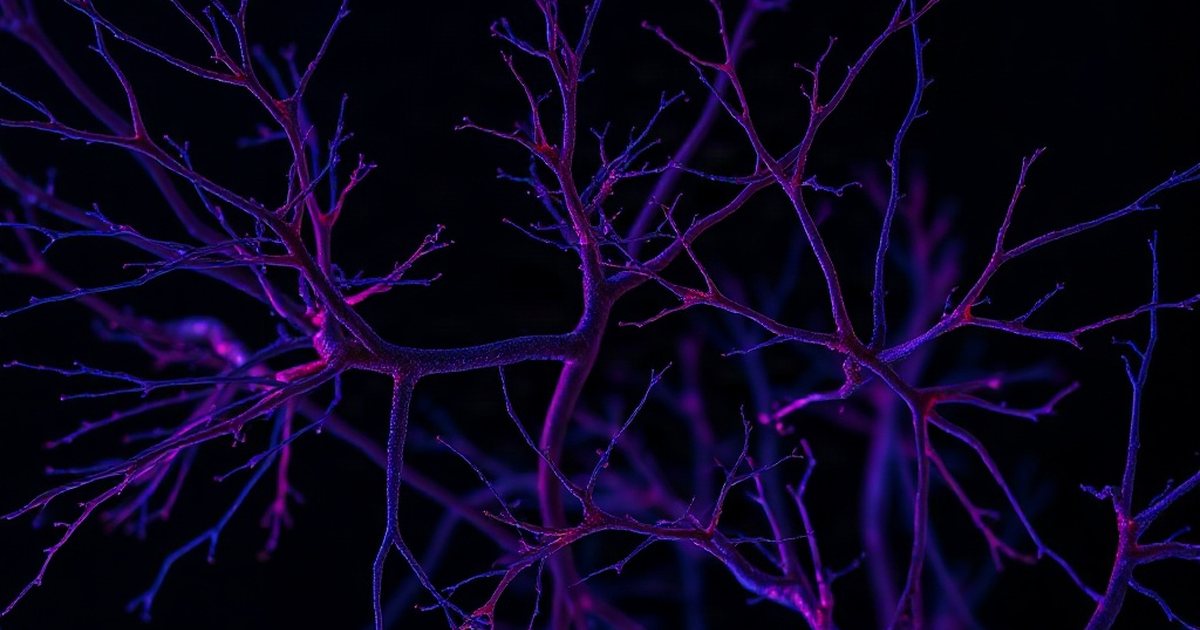
That result is genuinely double-edged, and honest coverage should say so both ways. Read optimistically, blunting the consolidation of contextual fear memory is exactly the mechanism PTSD researchers pursue with reconsolidation-blocking approaches. Read pessimistically, it is a compound impairing the acquisition of a learned association and producing retrograde amnesia, which in a supplement marketed partly as a nootropic is a downside worth knowing about. The study cannot tell you which reading applies to a human taking capsules, because it was not asking that.
The Practical Read
The most defensible statement this literature supports is narrow: in rodents, chronic stress depletes brain agmatine, that depletion appears to permit structural damage, and restoring agmatine prevents some of it. Every dose is rodent, mostly injected, and no human stress or psychiatric trial of agmatine exists.
Note also what the framing implies about who this would apply to. The evidence concerns restoring a depleted system under sustained stress, not enhancing a normal one. Those are different propositions, and the second has no support here at all.

A Note on the Evidence
Agmatine sulfate is not FDA-approved to diagnose, treat, cure, or prevent any disease. This article is informational only and does not constitute medical advice.
Frequently Asked Questions
Does stress raise or lower agmatine?
Both, depending on duration. Four hours of acute cold-restraint stress raised rat cortical agmatine from about 15 to about 57 ng/g of wet tissue. Twenty-one days of repeated daily restraint lowered it across prefrontal cortex, hippocampus, striatum and hypothalamus. The most consistent interpretation is that agmatine is mobilised as an acute stress response and depleted by chronic stress, which fits the finding that the synthesising enzyme was simultaneously elevated in chronically stressed animals.
Has agmatine been studied for PTSD?
No. There is no published study of agmatine in PTSD, in humans or in an animal PTSD model. The closest adjacent evidence is fear-conditioning work from 2000, which reported that agmatine-treated rats showed an acquisition deficit and time-dependent retrograde amnesia for contextual fear conditioning. That finding can be read as either a therapeutic mechanism or a cognitive downside, and the study was not designed to settle which.
What is the strongest evidence linking agmatine to mood?
A 2023 study that manipulated agmatinase, the agmatine-degrading enzyme, in the ventral hippocampus of rats. Overexpressing it produced depressive and anxiety-like behaviour; knocking it down produced antidepressant and anxiolytic effects in chronically stressed animals, with a measurable change in CA1 excitatory synaptic transmission. Bidirectional manipulation producing bidirectional behavioural change is much stronger evidence than simply observing that levels differ.
Do the stress studies use oral agmatine?
Mostly not. The majority use intraperitoneal injection at 20 to 50 mg/kg. One 2014 study is the exception: it used oral agmatine at 10 mg/kg and still abolished acute restraint stress-induced depressive-like behaviour and the associated hippocampal antioxidant imbalance. That oral result is more relevant to real-world use than the injection studies, but it is a single study in mice under acute rather than chronic stress.

References
- Aricioglu F et al. Is agmatine an endogenous factor against stress? Annals of the New York Academy of Sciences (2003). PMID 15028576
- Zhu MY et al. Exogenous agmatine has neuroprotective effects against restraint-induced structural changes in the rat brain. European Journal of Neuroscience (2008). PMID 18364017
- Yan S et al. The expression of agmatinase manipulates the affective state of rats subjected to chronic restraint stress. Neuropharmacology (2023). PMID 36849038
- Gawali NB et al. Agmatine attenuates chronic unpredictable mild stress-induced anxiety, depression-like behaviours and cognitive impairment by modulating nitrergic signalling pathway. Brain Research (2017). PMID 28302445
- Hassanshahi A et al. Perspectives on Agmatine Neurotransmission in Acute and Chronic Stress-related Conditions. Mini Reviews in Medicinal Chemistry (2023). PMID 36698237
- Sahin C et al. Agmatine Reverses Sub-chronic Stress induced Nod-like Receptor Protein 3 (NLRP3) Activation and Cytokine Response in Rats. Basic & Clinical Pharmacology & Toxicology (2016). PMID 27061450
- Freitas AE et al. Agmatine abolishes restraint stress-induced depressive-like behavior and hippocampal antioxidant imbalance in mice. Progress in Neuro-Psychopharmacology & Biological Psychiatry (2014). PMID 24370459
- McKay BE et al. Acquisition deficit and time-dependent retrograde amnesia for contextual fear conditioning in agmatine-treated rats. Behavioural Pharmacology (2000). PMID 10821214
These statements have not been evaluated by the Food and Drug Administration. This information is not intended to diagnose, treat, cure, or prevent any disease. Content is for informational purposes only and is not medical advice; consult a qualified healthcare provider before starting any supplement. As an Amazon Associate we earn from qualifying purchases.
