Affiliate disclosure: As an Amazon Associate, AgmatineHub earns from qualifying purchases. This helps support our research and content creation, and it does not affect what we recommend. Full disclosure.
Agmatine is a biogenic amine produced when L-arginine undergoes decarboxylation in neurons and peripheral tissues. Beyond its roles as a polyamine precursor and NMDA receptor modulator, agmatine interacts with imidazoline receptors—binding sites found in the brainstem, adrenal medulla, and blood vessel walls that researchers have linked to blood pressure regulation for decades. This overlap has made agmatine a subject of genuine cardiovascular interest, distinct from the vague ‘heart health’ claims attached to many supplements.
What follows is an honest examination of that proposed pathway: what imidazoline receptors are, how agmatine engages them, and what the current evidence actually supports. The research base remains largely preclinical, and no regulatory agency has approved agmatine to treat hypertension or any cardiovascular condition. These findings are informational only and should not replace guidance from a qualified clinician.
Key Takeaways
- Agmatine binds imidazoline I1 and I2 receptors in brainstem and peripheral cardiovascular tissues—receptor sites that antihypertensive drugs such as clonidine are known to exploit [1].
- A peripheral mechanism involving I2 receptor activation and inhibition of N-type Ca²⁺ channels in sympathetic neurons could reduce norepinephrine release to blood vessels, dampening vascular tone [2].
- Despite receptor overlap with clonidine, agmatine does not replicate clonidine’s blood pressure-lowering profile, indicating these compounds are pharmacologically distinct despite shared targets [3].
- Differential NOS isoform modulation may allow agmatine to support endothelial nitric oxide production while limiting inflammatory iNOS activity, but human evidence for this vascular effect remains absent [4].
- Most cardiovascular evidence for agmatine is preclinical; no adequately powered human trials have established an effective dose or confirmed reliable blood pressure reduction in people.
Imidazoline Receptors: The Brainstem Control Nodes for Sympathetic Blood Pressure
Imidazoline receptors are a family of binding sites classified into three subtypes—I1, I2, and I3—each with distinct anatomical distributions and proposed functions. The I1 subtype is concentrated in the rostral ventrolateral medulla, a brainstem region that governs sympathetic outflow to the heart and vasculature. When I1 receptors in this region are activated, sympathetic firing rates decrease, reducing cardiac output and peripheral vascular resistance. Characterizing these receptors in blood vessel walls has been an active area of antihypertensive drug research [1].
The clinical importance of this receptor family became apparent when investigators realized that antihypertensive drugs such as clonidine and moxonidine exert much of their blood pressure-lowering action through imidazoline receptor engagement rather than exclusively through alpha-2 adrenoceptors as originally assumed [5]. Subsequent pharmacological analysis has continued mapping how imidazoline receptor subtypes can be targeted for cardiovascular benefit [6]. I2 receptors, present in peripheral sympathetic neurons and certain vascular tissues, also modulate sympathetic neurotransmitter release, adding a peripheral dimension to the same control system [7].
Agmatine as an Endogenous Imidazoline Ligand
Agmatine is considered an endogenous ligand at imidazoline binding sites, meaning the body produces it naturally and it engages these receptors without pharmaceutical intervention [8]. It is synthesized in neurons, stored in synaptic vesicles, and released in a manner consistent with neuromodulator function. Its presence in cardiovascular tissues raises the possibility that it plays a physiological role in tonic blood pressure regulation—though how significant that tonic role is in healthy humans has not been established.

Research has confirmed that imidazoline receptor populations exist in brainstem cardiovascular nuclei, blood vessel walls, and peripheral sympathetic ganglia [9]. Agmatine binds both I1 and I2 subtypes, giving it a broader receptor footprint than some synthetic imidazoline agents. A decade of accumulated pharmacological investigation noted that agmatine’s interactions at these sites place it in a functionally significant position within cardiovascular signaling networks, even if the clinical translation of that position remained uncertain [10].
Suppressing Peripheral Sympathetic Tone: The I2 Receptor and Calcium Channel Mechanism
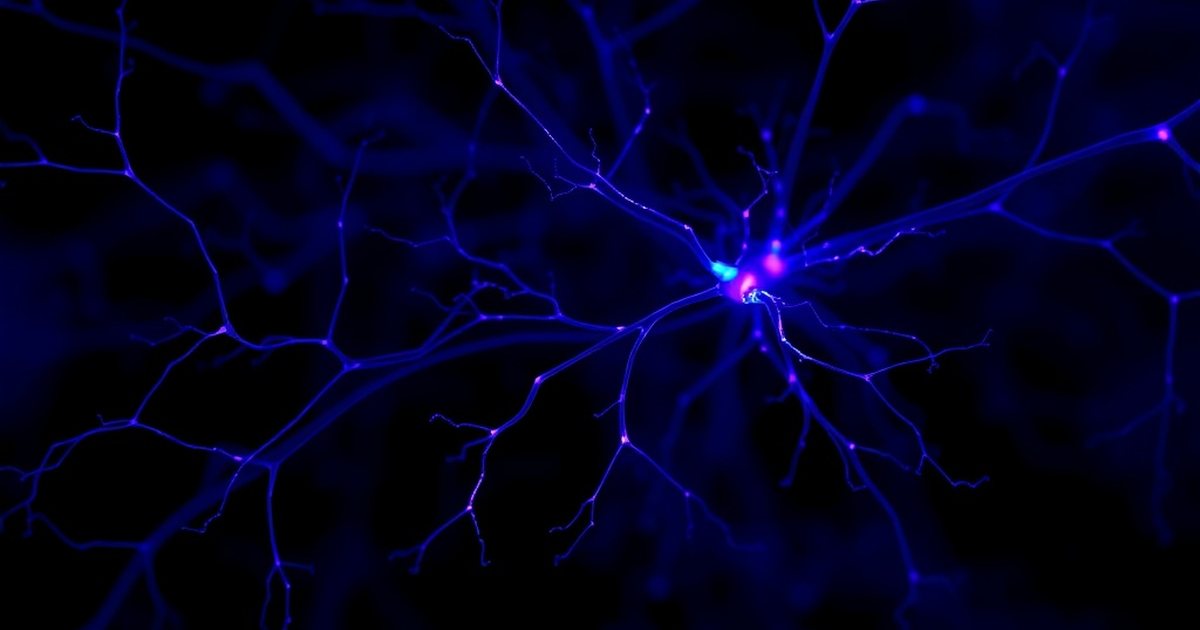
One of the more precisely characterized mechanisms through which agmatine may reduce blood pressure involves suppressing peripheral sympathetic activity via I2 receptor activation. Laboratory evidence demonstrates that agmatine inhibits N-type calcium (Ca²⁺) channel activity in sympathetic neurons [2]. N-type Ca²⁺ channels are gatekeepers for norepinephrine release at sympathetic nerve terminals—the chemical signal that instructs blood vessels to constrict and the heart to beat faster. By dampening calcium influx through this channel subtype, agmatine could reduce norepinephrine release and thereby lower sympathetic drive to the cardiovascular system.
This mechanism is distinct from the central I1-mediated pathway employed by clonidine and moxonidine. If agmatine engages both central I1 receptors and peripheral I2 receptors simultaneously, it could theoretically modulate sympathetic tone at multiple points in the regulatory cascade. Whether this translates to a net, measurable blood pressure reduction in living humans under physiological conditions has not been demonstrated in well-controlled clinical trials.

Agmatine versus Clonidine: Shared Receptors, Different Pharmacological Outcomes
Because both agmatine and clonidine target imidazoline receptors, a natural question follows: does agmatine replicate clonidine’s antihypertensive effect? The available evidence suggests the answer is not straightforwardly yes. One investigation specifically examined whether agmatine, as an endogenous imidazoline site ligand, could interfere with or mimic clonidine’s blood pressure action, and found that agmatine did not antagonize the clonidine-mediated blood pressure reaction [3]. This indicates that the pharmacological profiles of the endogenous compound and the synthetic drug are not interchangeable, despite overlapping receptor targets.
Several factors likely account for this divergence. Clonidine has high receptor affinity and a pharmacokinetic profile shaped by decades of drug development. Agmatine simultaneously acts at alpha-2 adrenoceptors, NMDA receptors, and multiple nitric oxide synthase isoforms, producing a web of competing or modifying vascular effects. The net cardiovascular outcome of agmatine may therefore depend on which pathways dominate in a given tissue context—a complexity that makes predicting its blood pressure effects from receptor binding data alone unreliable.
Nitric Oxide Modulation and Vascular Tone
Agmatine’s relationship with nitric oxide (NO) synthesis adds another layer to its proposed cardiovascular profile. Nitric oxide produced by endothelial nitric oxide synthase (eNOS) relaxes vascular smooth muscle and is a principal driver of vasodilation. Agmatine differentially modulates NOS isoforms: it inhibits inducible NOS (iNOS) and neuronal NOS (nNOS) while having comparatively permissive effects on eNOS at certain concentrations. If this selectivity holds in vascular endothelium, agmatine could theoretically preserve or support NO-mediated vasodilation rather than suppress it—a potentially favorable profile for blood pressure management.

A 2025 systematic review of agmatine’s cardiovascular impacts identified NOS isoform modulation as one of the key candidate mechanisms alongside imidazoline receptor engagement and sympathetic regulation [4]. That review also highlighted the significant scarcity of well-controlled human trials, underscoring that these mechanistic insights, while scientifically grounded, remain largely confined to animal models and in vitro experiments. Prior pharmacological reviews have similarly characterized agmatine’s cardiovascular signaling profile as mechanistically rich but clinically unresolved [8].

The L-Arginine Connection and Broader Evidence Gaps
Agmatine is a direct metabolite of L-arginine, the conditionally essential amino acid that serves as the primary substrate for endothelial nitric oxide synthesis. Research in specific high-risk populations—including dialysis patients who often present with impaired arginine metabolism and accelerated cardiovascular dysfunction—has examined L-arginine’s role in managing vascular derangements [11]. Agmatine’s origin in this same metabolic network situates it within a relevant biochemical context, though agmatine and arginine exert distinct and sometimes opposing effects on NOS activity. Findings from arginine research cannot be mapped directly onto agmatine supplementation.
Animal studies have examined agmatine in acute cardiovascular stress conditions as well. Research measuring agmatine’s influence on hemodynamic parameters in rats subjected to hemorrhagic shock found effects on survival and circulatory regulation [12]. While biologically informative, such findings describe emergency physiological conditions quite unlike the chronic, low-grade sympathetic overactivation that characterizes essential hypertension. The translational gap between these rodent stress models and the everyday question of human blood pressure management remains one of the most important unresolved limitations in agmatine cardiovascular research.
🛒 Where to Buy Agmatine
- Primaforce Agmatine SulfateLab-tested / studied
powder, 100 g tub, 133 servings — Longtime bodybuilding-community standard; lab-tested for potency and purity and made in a GMP-compliant, FDA-registered facility, with no fillers or additives - BulkSupplements.com Agmatine Sulfate Capsules
capsules, 2 capsules per serving, 180 count (90 servings) — Third-party tested and made in a cGMP-compliant facility, with no fillers or additives; a capsule option for newcomers who would rather not measure powder - Nutricost Agmatine Sulfate
capsules, 500 mg per capsule, 120 capsules (60 servings) — Lowest cost per dose of the four; non-GMO, gluten free and third-party tested, made in a GMP-compliant, FDA-registered facility - Nootropics Depot Agmatine Sulfate Capsules
capsules, 250 mg per capsule (500 mg per 2-capsule serving), 120 count — Established nootropics retailer; the lowest per-capsule strength of the four, which suits users titrating a dose upward rather than starting at a full 500 mg
As an Amazon Associate we earn from qualifying purchases. Agmatine products vary mainly in form and dose accuracy — powders need a milligram-accurate scale to hit a consistent dose while capsules fix it for you, so prefer whichever you will actually measure correctly, and choose products that publish third-party testing.
A Note on the Evidence
The cardiovascular evidence base for agmatine is predominantly preclinical, and no human clinical trial has established that agmatine supplementation effectively manages blood pressure; individuals taking antihypertensive medications, MAOIs, opioids, or those with kidney or liver conditions should consult a physician before use, as interactions and safety in these populations have not been adequately characterized.
Frequently Asked Questions
Does agmatine lower blood pressure in humans?
No human clinical trial has demonstrated that supplemental agmatine reliably lowers blood pressure. Preclinical research identifies plausible mechanisms—including imidazoline receptor activation and peripheral sympathetic suppression—but a 2025 systematic review concluded that human cardiovascular trial data remain insufficient to support firm efficacy claims [4]. Anyone managing hypertension should rely on therapies with proven clinical evidence under a physician’s direction.
How do imidazoline receptors connect to blood pressure regulation?
Imidazoline I1 receptors in the rostral ventrolateral medulla reduce sympathetic outflow to the heart and blood vessels when activated, lowering both cardiac output and vascular resistance [1]. I2 receptors in peripheral sympathetic neurons modulate norepinephrine release at nerve terminals. Antihypertensive drugs such as clonidine and moxonidine leverage this system, and agmatine engages these same receptors as an endogenous compound [5].
Is agmatine pharmacologically similar to clonidine?
Both compounds interact with imidazoline receptors, but they are pharmacologically distinct. Research specifically testing this overlap found that agmatine does not antagonize the blood pressure reaction produced by clonidine [3]. Clonidine has a well-characterized and clinically validated antihypertensive profile; agmatine’s net effect on blood pressure in humans remains unestablished and cannot be assumed to mirror synthetic imidazoline drugs.

Can agmatine be taken alongside blood pressure medications?
Medical supervision is required before combining agmatine with antihypertensive drugs. Agmatine acts on imidazoline and alpha-2 adrenoceptors that overlap with several antihypertensive drug classes, and the interaction potential in humans has not been adequately studied [6]. Individuals taking antihypertensive medications, MAOIs, or opioids should consult a physician before using agmatine supplements, as unpredictable additive or opposing effects are possible.
What doses of agmatine appear in cardiovascular research?
Human research on agmatine has primarily investigated doses of 1,000–2,670 mg daily for pain and mood endpoints rather than cardiovascular outcomes. A systematic review of agmatine’s cardiovascular impacts noted a significant gap in dose-finding and dose-response human trial data [4]. Standard supplement products typically provide 500–2,000 mg per serving; gastrointestinal discomfort including nausea and loose stools is the most commonly reported side effect at the higher end of this range.
How does agmatine's relationship to L-arginine affect its cardiovascular relevance?
Agmatine is synthesized from L-arginine via arginine decarboxylase, situating it within the same metabolic network as nitric oxide synthesis. L-arginine itself has been studied in vascular contexts including management of circulatory dysfunction in dialysis patients [11]. However, agmatine and arginine exert distinct and sometimes opposing effects on nitric oxide synthase isoforms, so findings from arginine research cannot be directly extrapolated to agmatine supplementation. They share a biosynthetic origin but are functionally separate compounds with different receptor profiles.
References
- Chen MF et al. Characterization of imidazoline receptors in blood vessels for the development of antihypertensive agents. BioMed research international (2014). PMID 24800210
- Kim YH et al. Agmatine suppresses peripheral sympathetic tone by inhibiting N-type Ca(2+) channel activity via imidazoline I2 receptor activation. Biochemical and biophysical research communications (2016). PMID 27320860
- Raasch W et al. Agmatine, an endogenous ligand at imidazoline binding sites, does not antagonize the clonidine-mediated blood pressure reaction. British journal of pharmacology (2002). PMID 11834614
- Manole OM et al. Exploring the Cardiovascular Impacts of Agmatine: A Systematic Review. Medical sciences (Basel, Switzerland) (2025). PMID 41283257
- Molderings GJ et al. Imidazoline binding sites and receptors in cardiovascular tissue. General pharmacology (1999). PMID 9888248
- Cobos-Puc L et al. Cardiovascular Effects Mediated by Imidazoline Drugs: An Update. Cardiovascular & hematological disorders drug targets (2019). PMID 29962350
- Lowry JA et al. Significance of the imidazoline receptors in toxicology. Clinical toxicology (Philadelphia, Pa.) (2014). PMID 24666288
- Berkels R et al. Agmatine signaling: odds and threads. Cardiovascular drug reviews (2004). PMID 14978515
- Nechifor M et al. [Imidazoline receptors-normal and pathological factors]. Revista medico-chirurgicala a Societatii de Medici si Naturalisti din Iasi (2001). PMID 12092170
- Halaris A et al. Relevance of imidazoline receptors and agmatine to psychiatry: a decade of progress. Annals of the New York Academy of Sciences (2003). PMID 15028565
- Bellinghieri G et al. L-arginine: a new opportunity in the management of clinical derangements in dialysis patients. Journal of renal nutrition : the official journal of the Council on Renal Nutrition of the National Kidney Foundation (2006). PMID 16825029
- Gill F et al. Effects of agmatine on the survival rate in rats bled to hemorrhage. Arzneimittel-Forschung (2011). PMID 21650081
These statements have not been evaluated by the Food and Drug Administration. This information is not intended to diagnose, treat, cure, or prevent any disease. Content is for informational purposes only and is not medical advice; consult a qualified healthcare provider before starting any supplement. As an Amazon Associate we earn from qualifying purchases.
