Affiliate disclosure: As an Amazon Associate, AgmatineHub earns from qualifying purchases. This helps support our research and content creation, and it does not affect what we recommend. Full disclosure.
You bought a tub of agmatine sulfate powder, used it for a month, and now it is a solid brick with a scoop embedded in it like a fossil. This is the single most common practical complaint about agmatine, and it is almost never a sign that anything is wrong with the product.
Agmatine sulfate is a hygroscopic crystalline salt. Hygroscopic means it actively pulls water vapour out of the air. Clumping is the predictable physical consequence, and it happens faster in humid climates, in bathrooms and kitchens, and in tubs opened daily by someone who just finished a workout.
This article is deliberately practical rather than cited, because there is no published stability study of retail agmatine sulfate powder to cite. What follows is handling guidance based on the material’s known physical behaviour and on standard supplement storage practice, and we flag clearly where an honest answer is “nobody has measured this.”
Key Takeaways
- Agmatine sulfate is hygroscopic. Clumping is expected behaviour, not evidence of spoilage or a bad batch.
- Humidity is the main enemy. The bathroom cabinet and the counter next to the stove are the two worst places in a house to keep it.
- Keep the desiccant packet. Manufacturers include it for exactly this reason and most people throw it away.
- A wet or damp scoop is the fastest way to ruin a tub, because you are introducing water directly into the powder.
- Do not refrigerate loose powder. Condensation forms on the cold powder every time you open the container in a warm room.
- Best-by dates on supplements are manufacturer stability estimates, not safety cliffs, and no published stability study on retail agmatine sulfate exists.
Why It Clumps
Agmatine is sold almost universally as agmatine sulfate, a salt, because the free base is impractical to handle. Salts of this type are typically hygroscopic: exposed to humid air, they absorb water vapour. The absorbed moisture forms a thin film on the surface of individual crystals, those surfaces partially dissolve, adjacent crystals fuse where they touch, and the powder consolidates. Repeated over weeks of daily opening, you get a brick.
Two implications follow, and both are practical.
First, clumping is a moisture-exposure indicator, not a quality indicator. A tub that clumped after four weeks in a humid bathroom tells you about your bathroom, not about the manufacturer.
Second, it means capsules are meaningfully more convenient than powder for anyone in a humid climate, because each dose is already sealed away from the air. That is a real trade-off against the lower cost per gram of bulk powder, and it is worth pricing honestly rather than defaulting to whichever is cheapest per serving.

Storage That Actually Works
Keep it in the original sealed container. Manufacturers use moisture-barrier packaging deliberately. Decanting into a nice glass jar with a loose lid is aesthetically satisfying and functionally counterproductive.
Keep the desiccant packet in the tub. The small silica gel sachet is not packing filler. It is there to absorb the moisture that enters every time the lid comes off. Most people discard it with the seal.

Store it cool, dry and dark, away from the two obvious wrong rooms. Bathrooms cycle through high humidity multiple times a day. The area near a stove or kettle gets both heat and steam. A bedroom closet or a cupboard away from any water source is better than either.
Never put a wet or damp scoop into the tub. This is the most common self-inflicted cause of a ruined container. If you scoop with the same spoon you just rinsed, or with hands damp from a shaker bottle, you are adding liquid water directly to a material that will consolidate around it. Dry scoop, dry hands, every time.
Close it quickly. Air exchange happens while the lid is off. Weigh or scoop your dose and reseal rather than leaving the tub open while you make the rest of your drink.
Do not refrigerate or freeze loose powder. Refrigeration seems intuitive and makes things worse. Every time you take a cold container into a warm kitchen and open it, water condenses onto the cold powder. Room temperature in a dry cupboard beats a fridge for any hygroscopic powder unless the manufacturer specifically instructs otherwise.
Buy a size you will actually finish. If you use 500 mg a day, a 250 g tub is a roughly 500-day supply, which is 500 openings and well over a year of humidity exposure. Two smaller containers, with the second kept sealed until needed, will outperform one large one.

Dealing With a Tub That Already Clumped
Clumped agmatine is still agmatine. The moisture it absorbed does not destroy the compound, though it does mean the powder now contains some water by weight, which introduces a small dosing inaccuracy if you measure by volume.
Break it up with a clean, completely dry implement: the back of a dry spoon works. Do not add anything to loosen it. If you dose by scoop rather than by scale, note that reconsolidated powder packs differently than the original, so a scoop may no longer equal the labelled amount. A cheap milligram scale removes that problem permanently and is worth owning for any powdered supplement.
Add a fresh food-safe desiccant packet if you have one, reseal tightly, and move the tub somewhere drier.
When to Actually Throw It Out
Clumping alone is not a reason. Discard the product if you see a clear colour change from the original off-white, an unusual or off odour, any visible mould or foreign matter, or if the container was left open, got genuinely wet, or was stored somewhere hot for an extended period. When in doubt, the cost of replacing a tub of agmatine is low relative to the value of not guessing.

What Best-By Dates Mean
Supplement manufacturers typically print a best-by or expiry date some years from manufacture. That date is a manufacturer’s estimate of how long the product retains its labelled potency under recommended storage conditions. It is not a safety cliff, and it is not a guarantee either: it assumes storage conditions you may not have met.
Here is the honest limitation, and it applies to nearly every supplement rather than just this one: we could not find a published stability study measuring agmatine sulfate degradation in retail packaging over time. So there is no citable answer to “how much potency does agmatine lose after 18 months in a cupboard?” Anyone who gives you a specific percentage is making it up.
What a certificate of analysis tells you is also worth being clear about. A CoA documents identity, purity and contaminant testing at the time of testing, usually on the batch as manufactured. It is a genuinely valuable thing to demand from a seller. It says nothing about what that powder looks like after a year in your gym bag.

Travel and Gym Bags
The gym bag is the worst storage environment most supplements ever encounter: warm, humid from damp clothing, and subject to repeated opening. If you dose pre-workout at the gym, pre-portion into a sealed pill case or single-serving container at home rather than carrying the tub. Cars are similarly bad, particularly in summer, where interior temperatures reach levels no supplement stability estimate accounts for.
A Note on the Evidence
Agmatine sulfate is not FDA-approved to diagnose, treat, cure, or prevent any disease. This article is informational only and does not constitute medical advice.
Frequently Asked Questions
Is clumped agmatine powder still good?
Almost always, yes. Agmatine sulfate is hygroscopic, meaning it absorbs moisture from the air, and clumping is the expected physical result rather than a sign of spoilage. Break it up with a completely dry implement and store it somewhere drier. The one dosing caveat is that reconsolidated powder packs differently, so a volumetric scoop may no longer equal the labelled amount, which is a good argument for a milligram scale.
Should I keep agmatine in the fridge?
No. Refrigerating loose hygroscopic powder makes clumping worse, because every time you take the cold container into a warm room and open it, moisture condenses onto the cold powder. A cool, dry, dark cupboard away from bathrooms and cooking areas is better, unless the manufacturer specifically instructs refrigeration.
How long does agmatine sulfate last?
Manufacturers typically print a best-by date some years from manufacture, which is their estimate of potency retention under recommended storage. We could not find a published stability study measuring agmatine sulfate degradation in retail packaging over time, so any specific claim about percentage potency loss after a given period is not backed by data. Store it properly and use it within the printed date.
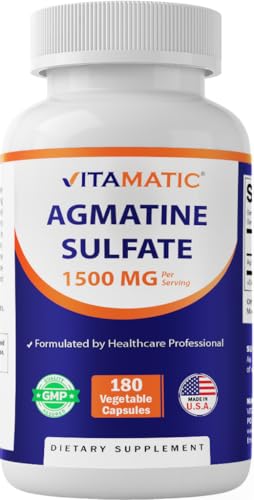

Are capsules better than powder for storage?
For moisture, yes. Each capsule is a sealed single dose, so the bulk of the product is never exposed to air the way an opened tub is. That is a genuine advantage in humid climates or for anyone who has already ruined a tub with a damp scoop. The trade-off is cost per gram and dosing flexibility, since powder lets you weigh any dose you want.
These statements have not been evaluated by the Food and Drug Administration. This information is not intended to diagnose, treat, cure, or prevent any disease. Content is for informational purposes only and is not medical advice; consult a qualified healthcare provider before starting any supplement. As an Amazon Associate we earn from qualifying purchases.
